



Category Archives: Marriage & Divorce
18 Useful Tips from 2018 Psychology and Health Research – Psychology Today
Source: Image by 905513, pixabay, CC0
Out of the zillions of research papers published in 2018, I’ve chosen 18 that offer easy tips for living a more fulfilling life. While I’ve focused on my usual “beat” of health, happiness, and habits, you’ll also find the latest on the G-spot, aging, sleep and many other topics, from the wonderful (#1) to the weird (#18). I’ll summarize each study, offer a link and a few details about it, and then give a tip or two for how you could apply it to your everyday life. And remember, use it or lose it! (Note to self.)
So, here it is, psych news you can use from 2018:
1. Summary: Difficult people can benefit the most from practicing acts of kindness—and their change of heart happens rapidly.
Details: 640 people who were mildly depressed were recruited to participate in online compassion training. One group of participants were also rated disagreeable, that is, they had frequent relationship conflicts and acted in hostile ways. After just two months of practicing the suggested acts of kindness and empathy, this subgroup reported the most increased life satisfaction and the most reduction in depression of all other participants. (Research report is here.)
Tip: Structured exercises that teach people how to be kind can be quite effective. Given that these interventions took only 10-15 minutes every other day, they could be taught in a variety of settings and have broad applications.
2. Summary: Being in a settled relationship increases the chances for weight gain.
Details: Most studies of married people show that marriage is associated with healthier behaviors. But a recent 10-year study showed that couples gained more weight over the years than singles. Even though the couples did, in fact, eat healthier foods than the singletons, they also ate more. This result was even stronger for couples with children, who tended to finish their children’s food and snacks. The authors of the study speculated, among other things, that individuals who are no longer on the “marriage market” don’t care as much about gaining weight. However, being overweight or obese puts them at risk for numerous health problems.
Tips: 1. Talk about this issue with your partner and decide together how to handle it. 2. Stop eating your kids’ snacks, already! 3. Cut back on portion sizes. Adopt this fun way to become more mindful of portion control by comparing healthy serving sizes to ordinary objects.
3. Summary: Loud music leads to unhealthy food choices.
Details: Whatever the background music—be it classical, rock, or rap—if it’s loud, you may find yourself making poor food choices, according to this research. Lead author of the study, Dr. Dipayan Biswas, explained that, “High-volume music is more exciting and makes you physically more excited, less inhibited and more likely to choose something indulgent. Low music makes us more relaxed and more mindful, and more likely to go for the things that are good for us in the long run.”
Tip: To make healthier food choices (not to mention protect your hearing), avoid loud restaurants.
4. Summary: There is no G-spot!
Details: Have you been trying in vain to find your G-spot? For those lucky enough not to know, the G-spot is allegedly an extra-sensitive area inside a woman’s vagina that is purported to be the stairway to orgasmic paradise. But according to gynecologist Dr. Jen Gunter, there is no such thing as the G-spot.
Tip: Stop looking for your G-spot, and stop using the term “G-spot.” According to Dr. Gunter, the search for the G-spot “serves no one and in fact leaves many women to feel deficient when they can’t find their ‘G-spot.’” Gunter offers more details in this New York Times article.
5. Summary: If you are interested in a potential romantic partner, show it!
Details: While conventional wisdom would have it that “playing hard to get” is the best way to attract a partner, this research indicates that prospective romantic partners prefer those who indicate romantic interest. This makes sense. After all, asking someone out puts your ego on the line; you want to know whether you have some chance of success.
Tip: Show some interest and enthusiasm when you hope to get better acquainted with someone.
6. Summary: Extroverts who are conscientious and agreeable have the most mating success.
Details: This conclusion seems to align with #5 above. I’m going to speculate that extroverts might be more likely to express their interest in a potential partner, thereby acquiring a mating advantage. It is heartening to note that people (especially men, according to the study) who are conscientious and agreeable also have a mating advantage. Maybe nice guys do not finish last.
Tip: Whether you are an extrovert or not, you can still be conscientious and agreeable. Be open about your intentions, follow up on plans, and be honest when communicating who you are and what you enjoy.
7. Summary: To impress others, emphasize the hard work that went into your success.
Details: Whether you are trying to impress a job interviewer or a potential romantic partner, emphasize the hard work that went into your success and/or the challenges you successfully overcame. According to this study, focusing on how hard you worked will be more impressive than focusing on talents or achievements.
Tip: Talk about the efforts you made that contributed to your successes.
8. Summary: Attending regular cultural activities can dramatically reduce the risk for depression in people over the age of 50.
Details: In a 10-year study (described here), 2000 people over the age of 50 were tracked to see how many cultural activities they attended each month. Those who attended plays, art exhibits, movies, and musical events every few months had a 32 percent lower risk of depression. Those who attended at least one cultural event every month had a 48 percent lower risk of depression. While this study described a correlation (not causation), the results are impressive.
Tip: Add “mental health” to your reasons to go to a cultural event. If finances are a barrier, start noticing free and low-cost events in your area. Then get out and have fun! A toast to a happier mood in 2019!
9. Summary: “Sitting is NOT the new smoking, contrary to popular myth.”
Details: I was thrilled to see this myth-busting headline in sciencedaily.com. As a regretful former smoker, nothing annoys me more than those who minimize the dangers of cigarette smoking. To be clear, excessive sitting does increase the rate of premature death and of some chronic illness by about 10-20 percent. However, smoking increases the rates of premature deaths from all causes by about 180 percent. Terry Boyle, the author of the study, drives the last stake into the “sitting is the new smoking” myth: “Finally, unlike smoking, sitting is neither an addiction nor a danger to others.”
Tips: Stopping smoking is the best thing you can do for your health. Oh, and get up from that recliner and move around a little bit every hour or so. Even the tiniest amount of exercise has benefits, as described below and in an ever-increasing number of studies.
10. Summary: Small amounts of exercise, even at a slow pace, can help the brain, make you happier, and prolong your life.
Details: In a small study of college students, just 10 minutes of slow cycling on a stationary bicycle improved memory. Even better, MRIs of participants showed increased coordination between different parts of the brain after exercising.
A different study indicated that even small amounts of exercise—just 10 minutes a day or one exercise session per week—seem to make you happier. And, another study found that even small amounts of exercise increase longevity.
Tip: To paraphrase Aesop, no act of exercise, however small, is ever wasted. Move around in any way that feels good to you for as long as you are inspired to do so.
11. Summary: Supervised aerobic exercise has large anti-depressant effects on adults with major depression.
Details: 455 adult patients from ages 18-65 with a diagnosis of major depression who did moderate intensity aerobic exercise for 45 minutes three times a week showed a large overall anti-depressant effect, according to the study summarized here.
Tip: Even if you have major depression, aerobic exercise will give you a significant mood lift.
12. Summary: Regular, lifelong exercise may give septuagenarians the bodies of those 30 years younger.
Details:. A small group of people in their 70’s who had exercised regularly since their 20’s were compared to non-exercisers (also in their 70’s) and to healthy young people in their 20’s. Amazingly, the results showed that the active 70-year-olds had muscular and cardiovascular health comparable to people 30 years younger than they. The 20-year-olds won out on aerobic capacity, but the 70-year-olds’ muscles resembled those of the younger set.
Tip: A lifelong exercise habit may keep your body 30 years younger than your chronological age.
13. Summary: Late-evening exercise (with one exception) does not have a negative effect on sleep onset or sleep quality.
Details: Many people, even some sleep experts, warn against exercising too late in the day for fear it will disrupt sleep. But after an analysis of 23 high-quality studies, researchers concluded that moderate exercise, even if it ended just 30 minutes before bedtime, has little effect on sleep quality. If anything, there is a slight positive effect, that is, participants spent more time in deep sleep, the kind of sleep that is most restorative. The one exception: Those doing vigorous exercise or competitive sports had more difficulty falling asleep, as their heart rates remained too high for them to settle down.
Tip: Moderate exercisers can exercise in the early evening without fear of disrupting their sleep quality.
14. Summary: Childhood poverty may have lasting effects on cognitive skills in old age.
Details: The research news from 2018 was by no means always upbeat. In the largest study of its kind, a European study of over 20,000 seniors (average age 71) found that those who had experienced socioeconomic hardship as children scored significantly lower on cognitive tests as elderly adults. This study adds to the growing body of evidence documenting the harmful effects of “toxic stress” and “adverse childhood experiences” (ACEs) on children.
Tip: The study author recommends that “children facing social and economic challenges should be provided with more resources to counter the disadvantages they face.” Editorial comment: If we truly believe in equal opportunity, we must find ways as a society to help disadvantaged children, their parents, and their communities.
15. Summary: Lottery winners in Sweden find that money really does lead to a more satisfying life.
Details: “Money can’t buy happiness.” Apparently, this adage does not apply to lottery winners in Sweden. Lottery winners in Sweden were more satisfied with their lives than lottery losers. In fact, the more people won, the more satisfied they were. Moreover, these results held up two decades after the initial wins. This result was not simply a correlation—data showed that winning the lottery itself caused the lift in life satisfaction. (Note: In this research, “life satisfaction” measures a person’s overall view of their life situation, whereas “happiness” describes a current mood.) Counter to other prevailing myths, lottery winners did not blow their money all at once, but spent it slowly over time. The fascinating story is here.
Tip: Whether you win the lottery or not, if you build your financial resources, you will feel more satisfied with life. And, just in case you were worried about it: If you should win the lottery, you will not feel miserable. The bottom line: Money can sometimes buy happiness.
16. Summary: Putting calorie content on food images helps your brain make better food choices.
Details: There’s been a back-and-forth in the research about whether putting calorie counts on food items is an effective way to help people eat healthier and less. Now, a small study of Dartmouth undergraduates indicates that cues such as calorie information could indeed promote healthier eating. According to a summary of the study here, “When food images appeared with the calorie content, the brain showed decreased activation of the reward system and increased activation in the control system. In other words, foods that you might otherwise be inclined to eat became less desirable once the calorie content was displayed.”
Tip: The average woman needs about 2000 calories/day and the average man about 2500. That’s about 600-800 calories per meal plus one 200-calorie treat. (Regular readers know I’m a fan of treats.) Start paying attention to calorie information, and you will consume less and get a better sense of portion control. Given that 40 percent of Americans are obese, the public health gains from simply displaying calorie information are potentially enormous.
17. Writing a thank-you note is more powerful than you think.
Details: Why don’t people write their thank-you notes? (Grumble, grumble.) The reasons may vary, but according to this recent study, one potent reason is the gift-givers underestimate the positive reactions of the recipient of the note. Turned out the recipients were delighted to receive the notes, and the givers felt better, too.
Tip: Write those thank-you notes! You’ll feel better, and so will the other person. Plus, it’s the right thing to do.
18. Summary: The world’s hottest chili pepper can give you a “thunderclap headache.”
Details: As a person who gets frequent migraines, the words “thunderclap headache” strike fear into my heart. It turns out that there is an easy explanation for these headaches and an even easier solution.
A man developed excruciating “thunderclap headaches” after participating in a chili pepper eating contest and consuming the world’s hottest chili pepper, the “Carolina reaper.” (Personally, I was thunderstruck at the idea that anyone would try to eat the world’s hottest chili pepper.) It turns out that cayenne pepper and some chili peppers are vasoconstrictors and can cause headaches and even sudden heart attacks.
Tip: Easy solution: If you’re considering entering a chili pepper eating contest, don’t do it!
And there you have it: 18 studies from 2018. Just one warning: Studies are generalizations, so if you have something different going on that works for you, keep doing it. Otherwise, pick one or two of these studies and use it to make your life a little better. As the research above shows, even small improvements can make a big difference.
Prince Charles and Camilla's divorce papers leaked – New Idea
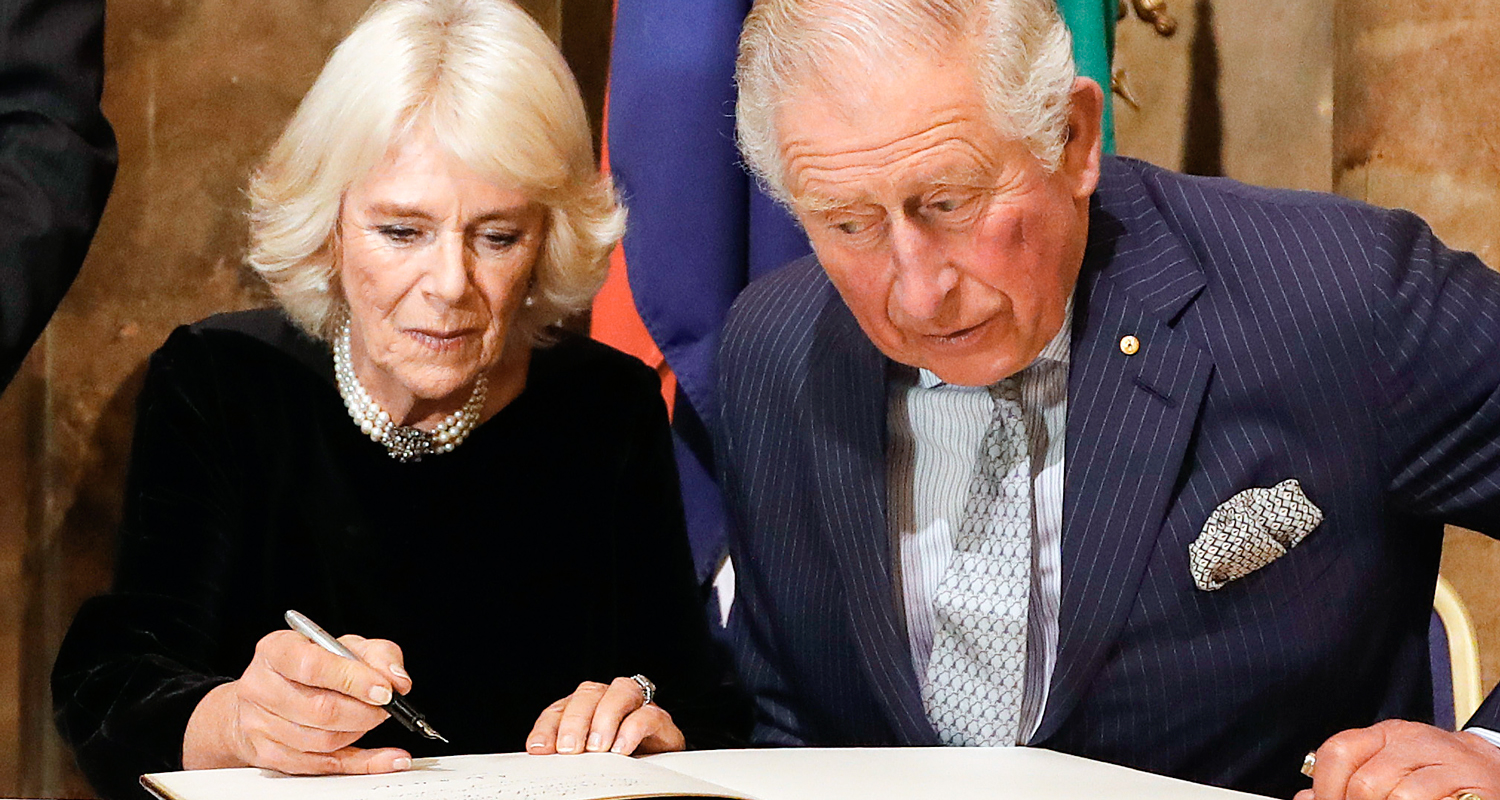
Even so, royal staff have been scrambling to make it appear as though the couple are still going strong. It was notable that the Christmas card the couple chose to use featured a photo taken several months ago, during happier times, in their Clarence House Garden showing them looking lovingly at each other.
Now, sources say Charles is weighing up Shackleton’s advice. “She has outstanding judgement and flair, and she cuts to the chase,” remarked a fellow lawyer.
Despite the happy public appearances, the true state of Charles and Camilla’s relationship has been apparent within royal circles for a while, with Camilla notably absent from many royal engagements last year, including Princess Eugenie’s wedding to Jack Brooksbank in October. At the time she cited a diary clash, explaining she was due to visit a school in Scotland.
Alderbrook Golf and Yacht Club's Event Experts Gives Tips for Keep the Wedding of your Dreams from Becoming a Nightmare – ThurstonTalk

For every happy couple, the vision of their new life together begins with a picture-perfect wedding. But the stress of planning this momentous event can turn dreams into nightmares. Whether you are planning a small, simple affair or a grand gathering with hundreds of attendees, Shannon Close, event coordinator for Alderbrook Golf and Yacht Club, has some tips to help you plan your wedding and avoid some of the major headaches that can get in the way of your perfect wedding day.
Check out the features offered by your venue. In addition to indoor and outdoor spaces, Alderbrook offers an on-site officiant, as well as on-site catering. Photo courtesy: Alderbrook Golf and Yacht Club
Get Help
You have two main options when it comes to an event coordinator, or wedding planner as they are sometimes called. You can go with a full-service event coordinator or a day-of coordinator. A full-service coordinator will be with you from beginning to end, helping you book the venue, catering, arranging for décor and flowers, and much more.
A day-of coordinator’s roll is more short term. Usually beginning their major involvement within the week of the wedding, they ensure everything you have already booked, from catering to flowers to music, gets set up on time, just the way you planned it. Like a full-service coordinator, they also keep everything going according to your itinerary, arranging announcements, and handling any last minute adjustments to keep things running smoothly.
If you don’t wish to hire a professional event coordinator, Shannon recommends that you designate a trusted friend or family member to serve as your event coordinator for your special day. Some brides or grooms think that they can handle their own event coordination, but having someone else in charge really takes the stress off before and during the event. Ideally, this trusted friend or family member should not be a part of the wedding party, so that they can be available to oversee everything happening at the event, even when they wedding party is pulled away for things like photos or other duties.
Lock Down the Date and Pick the Venue
Setting the date for your wedding is the first thing you want to do. As soon as that is decided, get an idea about the size of the wedding you plan to have, and start a guest list up right away so that you can send out save the date cards to everyone you plan to invite.
In conjunction with picking the date and starting the guest list, you need to pick a venue. Your venue will probably be the largest expense during your wedding, and there are some big considerations that come with it, like deciding if you want an indoor or outdoor wedding and reception.
Off-season weddings—usually anything before Memorial Day or after Labor Day—can reduce costs considerably, especially when it comes to booking the venue. Early May and late September still offer beautiful weather, at reduced prices. Go earlier or later than that, and you could find your venue costs slashed in half. The exception is, of course, December, when costs are about the same as summer, and you may find yourself competing with holiday parties as well as other weddings for venue spaces.
 Besides spectacular natural scenery, Alderbrook Golf and Yacht Club also offers the park-like setting of the course and an indoor venue that can accommodate your whole crowd. Photo courtesy: Alderbrook Golf and Yacht Club
Always plan for bad weather. No matter the season, if it doesn’t rain, the sun could be oppressively hot. “I always recommend a tent for any outdoor wedding,” Shannon says. “If the weather is perfect, you can always move more of the event out from under the tent, but if it isn’t, you’ll be glad the tent is there.” A tent large enough to accommodate everyone seated to eat is the minimum size Shannon recommends.
Guest List RSVPs and Planning the Menu
Next, start planning the menu and getting formal invitations sent out, says Shannon. Keep close track of your RSVPs so you can give a good estimate to the caterer. Dietary restrictions like allergies can be accommodated by either restricting particular ingredients from the menu, or by preparing special meals separately. Venues with onsite caterers usually have more flexibility with small last-minute adjustments like adding an additional plate, buy try to have a solid count early on to keep stress levels to a minimum, she adds.
Stay Ahead of the Game
“Anything that is coming from out of town should arrive early,” Shannon says. Planning in that extra time can alleviate stress caused my shipping delays or mishaps that happen en route. In one instance, Shannon says a wedding cake was being shipped in from out of town. The cake fell apart in transit. Because it arrived early, the kitchen crew at Alderbrook was able to perform last minute cake repairs and store the cake safely in the kitchen refrigerator until the reception. Many venues have refrigerators and storage space for things coming in early. Check with the venue to see what they offer.
 Follow these tips and you are sure to remember your special day for all the right reasons. Photo courtesy: Alderbrook Golf and Yacht Club
Do It Yourself (DIY) weddings are all the rage right now. Doing as much work ahead of time will prevent you from burn out the night before your wedding. Don’t be afraid to delegate tasks or ask for help. Table décor, signage, and favors can all be prepared months ahead of time. By getting started early, you’ll have time for a plan B if something doesn’t work out.
Don’t Skip the Rehearsal
What may seem like a mere formality is an important key to make sure everything goes off without a hitch. The rehearsal provides an opportunity for everyone to familiarize themselves with the procedure, and see how everything will work at the venue. Plan to have as much of the full wedding party there for a good run-through. If you have a day-of coordinator, the rehearsal is the perfect time to ensure that you and your coordinator have a meeting of the minds and share the same vision of your special day.
Plan the Cleanup
The last thing a happy couple wants is to find themselves staying late at their own wedding to clean up, but that’s what can happen if you fail to plan the cleanup ahead of time. It can be as simple as designating a group of people that will stay to make sure the cleanup is complete or hiring someone to handle the chore. Gifts, decorations, and leftover cake: everything brought to the venue must leave at the end of the event.
The Alderbrook Golf and Yacht Club serves as an ideal location for the wedding of your dreams. Surrounded by the natural beauty of the Pacific Northwest, the course features a manicured park like setting, and offers an indoor venue that comfortably seats 200 guests, provides on-site catering and a wedding officiant. Give Shannon a call at 360-898-2560 to find out everything Alderbrook Golf and Yacht Club has to offer.
Sponsored

SOMERS: What’s your financial goal for getting hitched? – The Guardian

Wedding rings. – 123RF Stock Photo
You’re getting married! You and your partner are hitching up for a long journey through life together and that’s terrific.
But first, there’s the wedding.
You want your wedding to be exceptional — a day you and your partner (and your guests) will relive happily through the years. But the cost of that exceptional wedding can also be exceptional.
Jeff Somers
According to a survey by Canada’s Wedding Bells magazine, Canadian couples spend an average of $30,717 on a wedding, including the honeymoon.
And here’s another concerning statistic: According to Smartbride Boutique, 76 per cent of Canadian women feel that today’s brides are pressured to have extravagant weddings beyond their financial means.
You don’t need that kind of financial and emotional stress, so here are some bank account friendly wedding tips and ideas.
Establish a budget: Wedding experts call it “white blindness” — the folly of buying for your wedding without considering the price. The experts also say that it takes about 13 months to plan a wedding. So, your vital first step is to determine exactly what you can comfortably afford — and stick to your budget.
The venue: This is usually the largest budget item. Shop around for the best deals or choose a less expensive option like getting married and having your reception in a less traditional setting — a backyard, park or beach.
The guest list: The wedding cost mentioned above is for the average Canadian wedding that includes approximately 120 guests. It can be difficult but keeping the guest list to 50 or so will significantly reduce your costs.
The wedding day: Have your wedding on a non-traditional day — perhaps a Friday or a Sunday when venue prices may be lower, or during a non-traditional time of the year. November to April is the usual “off-season” for weddings so a venue may be available at a discount.
Do-it-yourself: Make your own invitations, bouquets and table decorations. Decorate the venue yourself.
Do without or do with friends: Do you really need limos or a DJ? Consider what you may not really need or, better yet, what your friends would be happy to supply. By putting their talents to work as chauffer, cook, baker, photographer/videographer or emcee. You’ll not only save money, your friends will be able to share more fully in the success of your day.
Hire a student: Consider hiring a culinary or photography student.
Do a destination: 15 per cent of Canadian weddings take place abroad and one-quarter of destination weddings are from November to April. Keep your guest list small and book early to get the best room rates.
Your wedding day should be wonderful and affordable. That takes planning. Get the help and advice you need for a financially-comfortable big day and for the rest of your life together by talking to your professional advisor soon.
Jeff Somers, BA, RRC, CFP works at Investors Group in Charlottetown. This column, written and published by Investors Group Financial Services Inc. and Investors Group Securities Inc. presents general information only and is not a solicitation to buy or sell any investments. Contact your own adviser for specific advice about your circumstances.