



Category Archives: marriage advice
ADVICE: I have a twink on the side but husband's using crystal meth
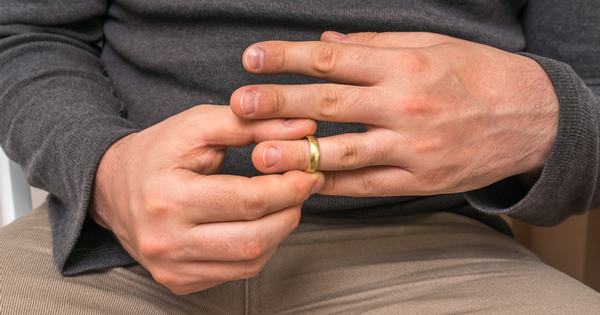
My husband Tom is threatening to leave me for cheating.
We have an open relationship and I was under the impression that you cannot cheat in an open relationship. Especially as I have always told him when I hook up with someone, as we agreed to do. However, he says it’s a different story if I’m in love with someone else.
That’s a big exaggeration. Usually my hookups are just physical. Recently, though, there is this guy I’ve been spending a lot of time with and I do have a crush on him. But I certainly wouldn’t leave my marriage for him. He’s adorable but he’s 22 and I’m 47.
I think Tom is bent out of shape because he’s 58 and worried I’m not feeling it for him lately. Well he’s right, I’m not. But that’s not because of his age. It’s because he is strung out on crystal meth half the time and that’s really starting to bug me.
I could point fingers about who is really ignoring our relationship, but why bother? Tom knows I don’t like his getting high but refuses to cut back or stop.
Anyhow, Tom keeps insisting I love this twink even though I tell him he’s being an idiot. I don’t want to lose my marriage, even with Tom’s crystal meth use. We’ve been together for years, share a love of traveling the world and have made a beautiful home.
But Tom is really being an irrational jerk about this. How do I get him to see that his concerns are all in his head?
Michael replies:
If you want to improve your marriage, the question you ask is far too small.
Why are the two of you married? To share a love of travel and a beautiful home? Because you have a long history together?
These aren’t enough to make a strong marriage. You also need a commitment to be loving, honest and willing to collaborate on navigating the ups and downs of life. But from all that you write, it doesn’t sound like either of you is putting any effort into your marriage.
So the question is: What sort of shape do you expect your marriage to be in, when you’ve put yourself in the position of having a romantic attachment for another guy you’re having sex with and your husband is checked out on crystal meth half the time?
Marriages aren’t self-sustaining and they aren’t indestructible. They do not thrive under any and all circumstances, no matter what you dump on them.
If you want a husband who is interested in being with you, you have to start being a husband worth staying with. While I am writing this to you, it also applies to Tom, of course. But you only have power over your own behavior.
This means, first of all, developing some standards for yourself. What does it mean to you to be a loving husband, respectful to your spouse and devoted to your marriage? I’m hoping you will have some ideas that will raise your behavior up a few notches from where you describe yourself currently.
The other crucial step to becoming a better husband: consistently keeping an eye on your behavior and confronting yourself to do better when you let yourself down. That’s how you keep yourself on the straight and narrow, so to speak.
Can you trust yourself to start doing this and keep doing this? Making excuses for yourself or justifying your bad behavior because Tom behaves badly, will surely keep the two of you swimming in the same cesspool you’re now in.
The giant wild card here is Tom’s drug use. Obviously, anyone regularly using mind-altering drugs isn’t thinking too clearly and certainly isn’t inclined to take himself on about how he’s contributing to his own misery.
So even if you change your behavior, your marriage may stay pretty awful if Tom continues using crystal meth. Evidently you want to stay with Tom whether he keeps using or not. I’m hopeful you’ll have a greater possibility of influencing Tom to take a look at his own behavior if you are doing your best as a husband in this marriage.
But there are no guarantees. Your best shot, once you’ve started to clean up your own act, might be to suggest he check out a Narcotics Anonymous meeting as a first step toward reconsidering his drug use.
If my reply is to be of any use to you, I must be blunt: You and Tom each have hard work ahead if you are to have a decent marriage.
Michael Radkowsky, Psy.D. is a licensed psychologist who works with gay couples and individuals in D.C. He can be found online at michaelradkowsky.com. All identifying information has been changed for reasons of confidentiality. Have a question? Send it to Michael@michaelradkowsky.com.
You *Can* Save Your Sexless Marriage If You Do the Right Things, Say Experts

Before this season’s finale, Southern Charm New Orleans couple Tamica Lee and Barry Smith were suffering from a “lack of sex problem” in their marriage. And while not officially married, longtime Vanderpump Rules couple Ariana Madix and Tom Sandoval suffered from the same predicament.
One doctor weighs in on real life sexless marriages, telling Personal Space first the correct definition: it means there is no frequency or regularity of sex, not that it’s never happened. Yes, some people think that.
“It becomes a problem if one partner is feeling undesirable,” says Dr. Jane Greer, author of What About Me? Stop Selfishness From Ruining Your Relationship. “If both people are okay with it, that’s fine, but if there is a prolonged rate of no sex, then often one person is really miserable about it. Oftentimes, they are going to bed and waiting for their partner to initiate or reach out because they’ve been rejected repeatedly.”
Why does it happen?
Well, many reasons, but one big one is because people have different levels of sexual desire.
“They have different appetites and sexual energies,” Dr. Greer says. “The way they go about negotiating their sexual desires is where the problem lies – if it’s not done with a level of openness and caring, it can lead to distance that shuts down intimacy. If there is unresolved anger issues or conflicts, and things are left unspoken, a partner may be simmering with resentment and won’t feel like having sex.”
It’s normal for sex to be infrequent, too, just not for really prolonged periods of time.
“There are certain times when a lower frequency of sex is expected – after you have a baby, for example,” Dr. Greer says. “Sex can get suspended, but the most important thing is to address is openly and honestly. Speak to your partner and let him/her know that you feel you’re having less sex than before – are they aware? Take a pulse. Would they like to be more sexual? Is something turning them off?”
No one talks about it, either. People are embarrassed. Research from Georgia State University suggests that 15 percent of married couples have not had sex with their spouse within the past six to 12 months.
The longer you go without it, the harder the spark is to get back. Experts suggest talking, therapy, and a little effort. As Carole Radziwill says, “Keep it cute.”
Personal Space is Bravo’s home for all things “relationships,” from romance to friendships to family to co-workers. Ready for a commitment? Then Like us on Facebook to stay connected to our daily updates.
Dear Abby has some advice for readers hesitant to ask directly for what they want
DEAR ABBY: I’m a retired woman living in a condo complex that houses mostly seniors. During the eight years I have lived here, I’ve always participated in several monthly social events, and have served on the condo association board. I know most of the other residents and count many of them as friends. A couple of years ago, my dad moved in with me so I could care for him. The early evening he passed away, there were many emergency vehicles. Shockingly, not one of my neighbors came over. The police wouldn’t leave me alone, and it took a while for another relative to get here. The next day, a neighborhood representative called to ask me what had happened. Am I right in feeling hurt that my friends didn’t care enough to check on things right away? They knew my situation. — HURT IN THE MIDWEST
DEAR HURT: The reason many people would stay away from a scene like you describe might be that, because a lot was going on, they didn’t want to intrude. Before jumping to conclusions about why your friends didn’t contact you immediately, ASK them why they didn’t and give them an opportunity to explain.
DEAR ABBY: My wife and I have been married for seven years. It’s the second marriage for both of us, and I’m getting ready to retire.
I do our laundry. She works very hard in her profession, and I do it because I enjoy the feeling of a job well done and doing something nice for her. However, my wife refuses, in spite of my repeatedly asking, to turn her clothes right-side out before putting them in the laundry basket. It takes me at least 30 minutes every wash day to correct her clothes before washing. This is an ongoing annoyance. Her response usually is, “If you don’t like it, don’t do my laundry!” Am I asking too much? Is her habit so ingrained that she can’t change it? — HUSBAND IN THE LAUNDRY ROOM
DEAR HUSBAND: Many people wash their clothes inside out because they think it gets the garment cleaner or they’re afraid that washing the items right-side out will cause fading. Between you and me, I think your wife’s suggestion is a good one. Let her wash her own clothes for a while, and you may find she becomes more cooperative.
DEAR ABBY: My nieces send me pictures of their children on every occasion. I love them, but I don’t understand why they think I want prints. I’d rather view them online. Is there a way I can tell them without damaging our relationship, or must I continue to keep my mouth shut and throw the photos into an ever-growing pile? — AUNTIE-PIC
DEAR AUNTIE-PIC: It should offend no one if you “suggest” that you would love to view these lovely photos online rather than have your nieces “go to the expense” of printing and mailing them to you. Then cross your fingers and pray they take the hint.
Amy Dickinson: Long marriage now seems thoroughly broken

Dear Amy: I’ve been married for more than 30 years, through good times and bad.
Right now times seem bad.
My husband has been retired for eight years from his job as a local trucker. He mostly worked nights.
When he was working, he blamed his bursts of anger on a lack of sleep. Well, many years post-retirement, he still has outbursts of swearing and yelling.
Back in the day, I would engage in the confrontations. Then when I was about 40, I made a decision that I just didn’t want to fight anymore. Instead, I disengage. Adults should be able to have conversations without shouting and cursing.
I told my husband that I don’t feel loved, and I don’t even feel liked. Therefore, I’m not interested in having sex with him, because he doesn’t seem to love — or even like — me. He has not confirmed or denied — or disclosed — his feelings about me.
There have been occasions, when I’ve been drinking, when we have had sex, which I do not remember in the morning. What would you call that? — Wondering
Dear Wondering: I would call that either blackout drinking (or a date rape drug), accompanied by sexual assault; or (possibly) a psychological phenomenon called dissociation.
Dissociation is how some people cope with trauma — by basically detaching themselves from reality.
This is an armchair guess of mine (I’m not a psychologist), but if you are dissociating, it could have started with your (healthy) choice years ago not to engage in your husband’s rages. Dissociation is an extreme form of detachment.
If your drinking isn’t causing you to black out and have memory lapses, then it’s possible that you are reacting to your sexual experiences with someone you don’t love (or even like) by basically blocking out the whole episode.
If you are drunk or drugged, you cannot legally consent to sex. I assume the same standard applies to psychological injury or impairment. Your relationship with your husband seems to be thoroughly broken. It would be best for you to part, unless or until you two figure out how to communicate peacefully. And obviously, you should take an honest look at your alcohol consumption.
Dear Amy: I just received an invitation to a friend’s wedding.
The marrying couple is requesting that all of their guests bring a potluck dish to share at the reception.
This is not a small family wedding! My first thought was that they could not afford a caterer; however, they are providing both a sandwich bar and an open alcohol bar.
I don’t understand the reasoning. Does the dish count as my gift, or is the couple expecting both?
I won’t even get into the food safety issues! Is this a new thing? — Confused
Dear Confused: I wonder if there is a marrying couple brave enough to host a “throw-back” wedding — where the reception consists only of sparkling drinks and cake — and guests sip, sup, enjoy and go home? Modern weddings have become festivals.
With an open bar, your friends seem determined to get their guests good and drunk. For the money they are spending on alcohol, they could instead buy a few salads for their guests to enjoy along with the sandwiches.
I don’t think “potluck” weddings are a huge trend, but they do happen. For hosts to throw one successfully, they should put a lot of thought, planning and effort into it — giving guests some direction, cuisine-wise, asking guests to provide ingredient lists, and providing the means to keep hot foods hot and cool foods cold. They should also provide designated help to take in food as guests arrive, set it out and then take away and wash empty containers.
You should not count on any of this happening.
If you decide to attend this wedding, yes, you should bring a dish to share. In terms of the food safety risk, you should always try to find out exactly what you are eating, and if in doubt, only eat my Aunt Lena’s molded green salad. It contains both pineapple pieces and marshmallows!
No, your potluck offering does not “count” as your wedding gift.
Dear Amy: “Worried Dad” described his son-in-law, a physician, as being increasingly absent-minded and accident-prone.
I have ADHD, and much of what was described in this letter would apply to me. People with ADHD are often misdiagnosed. — Reader
Dear Reader: Many readers added their speculation to my own. My concern was that this man’s symptoms seemed to be getting worse.