




Category Archives: Marriage & Divorce
Ask Amy: I'm a married mom in my 30s, and I love my career, but I can't keep close friends – Omaha World-Herald

Dear Amy: I am at a crossroads in my social life and could use some advice.
I am a married mother in my early 30s. Over time, I have had a “falling out” (so to speak) with each and every one of my lifelong friends (close friends from high school/college).
I will spare you the specifics of how these friendships ended, but I now find myself with no close friends to share my life with.
I miss the friendships I used to have, but I do not miss the drama and disruptions they caused in my life.
I have had no luck finding new friends my age that share my interests.
Is there something wrong with me? Why at this stage in my life is it so difficult to make and maintain these relationships?
My marriage is strong, my career is everything I want it to be, and my children are happy and successful, yet I seem to be failing terribly at having and keeping close friends. Any advice?
Friendless
Dear Friendless: I don’t know if there is something “wrong” with you, but your behavior of dropping all of your friendships implies a pattern — and you are at the center. So, yes, you should carefully examine your own behavior, take responsibility and, most importantly, see what negative patterns emerge that you can change.
Making new friends — especially in adulthood — is a significant challenge. Most parents find themselves thrown together with other parents at the playground or at school; these glancing connections can evolve into very rewarding relationships centered around family life. Are there other moms in your circle you’d like to befriend? Many of us also find pals who bloom into friendships at work.
But making friends is challenging. And transforming an acquaintance into a friendship can seem like a delicate dance. One of my own besties simply approached me in our daughters’ kindergarten classroom and said, “Hey, you seem cool. Do you want to be friends?” Turns out, I’m not that cool (she is!), but we’ve managed to stay friends for 25 years.
Read “Friendships Don’t Just Happen!: The Guide to Creating a Meaningful Circle of Girlfriends,” by Shasta Nelson (2013, Turner). Nelson is also CEO of the innovative friendship matching site girlfriendcircles.com.
Dear Amy: We built a custom home a few years ago and went to great lengths to research our neighbors’ house colors before we decided on a color.
After much thought, we chose a white-and-black scheme for our house.
No other house on our street is similar to ours.
Fast-forward to today, and a new house is being built directly next door to ours. They are intending to paint their house the same colors as ours (although they believe their white paint will be “quite different”).
They bought their lot knowing our paint choices. They also are aware that this decision will frustrate us.
Is it tacky to copy someone’s house colors when you’re direct neighbors?
Frustrated Neighbor
Dear Frustrated: There are many neighborhoods and housing associations where people are forced through strict rules and design limitations to paint their houses within a very narrow range. Lucky you — you have the freedom to paint your house the way you want!
Your new neighbor has the same freedom.
Having a house painted white isn’t exactly pushing the boundaries of taste and design — you’ve chosen the most popular house color for your own house. Surely you can’t be that surprised that someone else on your street will also choose to have a white house.
Even if this was a deliberate copying of your home, you have choices about how to behave. In this case, even if you are feeling petty, slighted and frustrated, you should behave as if you feel flattered.
No, it is not tacky to paint a house white, even if your neighbor’s house is also white. This might be a very good lesson for you. You seem very careful, deliberate and controlled. Other people aren’t like you. Understanding and accepting this will be a good exercise in neighborliness.
Dear Amy: “Wondering” was ensnared in a family drama when visiting her close older friend. Her friend’s cousins accused Wondering of coming on to male family members.
I think it’s possible that these family members were trying to isolate the older woman, in hopes of receiving an inheritance. Unfortunately, I have seen this happen.
Wondering No More
Dear No More: This is a definite possibility. “Wondering” should take steps to try to reconnect with her friend.
Trump invokes 'advice-of-counsel' defense in campaign probe – ABC News
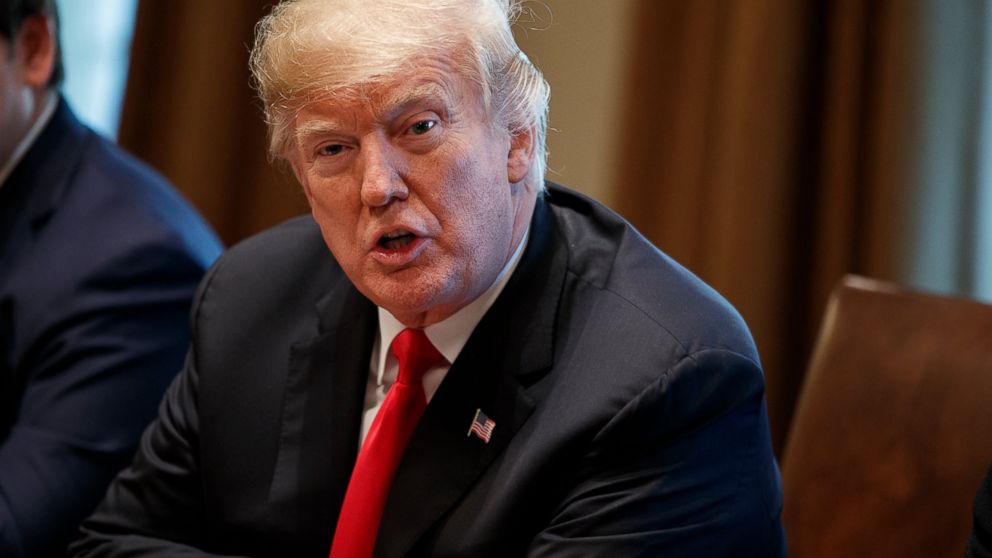
President Donald Trump offered a simple defense Thursday to accusations he broke campaign finance law by directing attorney Michael Cohen to orchestrate hush-money payments to conceal Trump’s alleged affairs: He was following terrible advice from a bad lawyer.
“I never directed Michael Cohen to break the law. He was a lawyer and he is supposed to know the law. It is called ‘advice of counsel,'” Trump wrote on Twitter.
The advice-of-counsel defense is a real thing. But Trump’s ability to use it, if he were ever formally accused of a crime, is far from certain. And it could be risky.
“People talk about advice-of-counsel as a defense more than it’s actually asserted, and it’s rarely successful,” said Dane Ciolino, a constitutional law professor at Loyola University in New Orleans.
Courts have held that the defense applies when a person has gone to a lawyer to ask about whether something is legal, disclosed all material facts, and then relied in good faith on the professional’s advice that no laws were being broken.
The illegal act in this case involves payments made to porn star Stormy Daniels and Playboy centerfold Karen McDougal to keep them from talking about sexual encounters they say they had with Trump while he was married.
Federal prosecutors in New York say the payments amounted to illegal campaign contributions because they were made at the height of the 2016 election season to keep voters from learning of Trump’s alleged infidelities. Cohen was sentenced Wednesday to three years in prison for the violations and other crimes, including bank fraud and tax evasion.
Cohen has said that Trump was aware of the payments. In one instance, he recorded Trump giving him advice about how to buy McDougal’s story from the parent company of the National Enquirer. It isn’t clear from that recording, or other evidence made public, whether Trump and Cohen ever specifically discussed whether the payments were legal. Cohen and prosecutors say the Trump Organization reimbursed Cohen for a $130,000 payment to Daniels.
Cohen, Trump and David Pecker, the chairman of the company that owns the National Enquirer, had a meeting at Trump Tower in August of 2015 to discuss ways the media company could help the campaign, including buying the silence of women who might talk publicly about affairs with Trump, according to documents made public by federal prosecutors.
Trump has not specified what advice, if any, he received from Cohen. In an interview Thursday with Fox News, he said: “I never directed him to do anything wrong. Whatever he did he did on his own. A lawyer who represents a client is supposed to do the right thing.”
An advice-of-counsel defense is “not easily invoked and has far-ranging consequences and risks,” said Tony Alexis, a former federal prosecutor who worked in the Justice Department’s fraud and public corruption section.
For one thing, a person who invokes the advice-of-counsel defense can no longer claim attorney-client privilege, meaning his or her conversations with the attorney are no longer private and can be freely explored by prosecutors.
“It’s a very risky strategy,” said Jennifer Rodgers, a former federal prosecutor in Manhattan.
In this case, it could give investigators access to records and communications between Trump and Cohen that were deemed confidential after the FBI raided Cohen’s office earlier this year, Rodgers said.
“He’d be waiving privilege with respect to everything,” she added.
While uncommon, the defense has had high-profile successes.
Manhattan District Attorney Cyrus Vance said last year he would not pursue state election law charges against New York Mayor Bill de Blasio in part because the parties involved in making legally questionable transfers of campaign funds relied on the advice of their attorneys.
In the president’s case, Rodgers said, Trump would have to establish that he was actually seeking Cohen’s legal advice in connection with the hush-money payments and not relying on him to handle the matter as his long-time fixer.
The advice-of-counsel defense is “for a client who says, ‘I want to make sure I’m in compliance with the law here,'” Rodgers said.
Trump has not been charged with a crime, and it remains unclear whether the U.S. Justice Department, under its own protocol, could even bring a case against a sitting president.
Trump Invokes ‘Advice-of-Counsel’ Defense to Hush-Money Accusations – KTLA Los Angeles
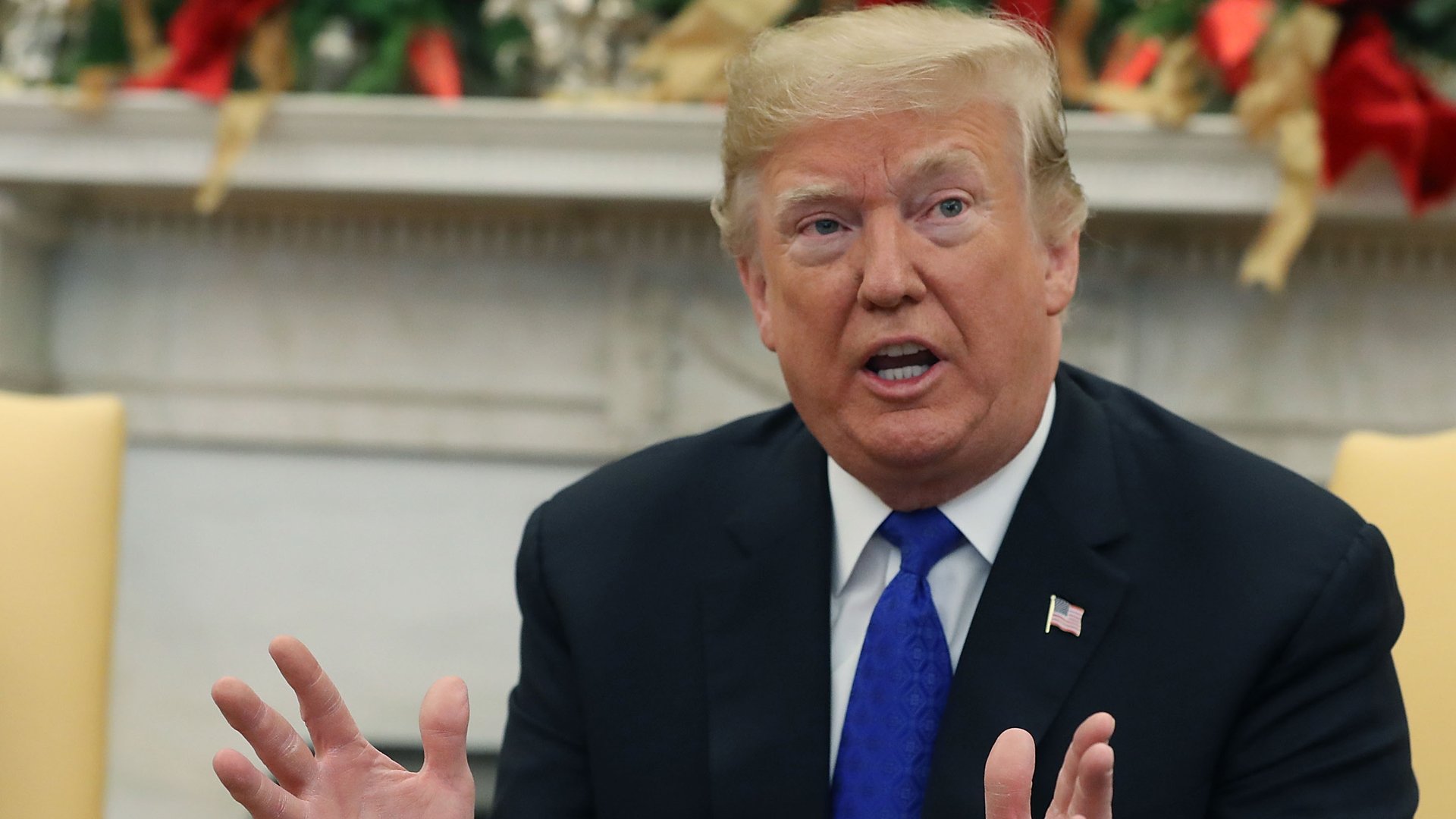
President Donald Trump offered a simple defense Thursday to accusations he broke campaign finance law by directing attorney Michael Cohen to orchestrate hush-money payments to conceal Trump’s alleged affairs: He was following terrible advice from a bad lawyer.
“I never directed Michael Cohen to break the law. He was a lawyer and he is supposed to know the law. It is called ‘advice of counsel,’” Trump wrote on Twitter.
The advice-of-counsel defense is a real thing. But Trump’s ability to use it, if he were ever formally accused of a crime, is far from certain. And it could be risky.
“People talk about advice-of-counsel as a defense more than it’s actually asserted, and it’s rarely successful,” said Dane Ciolino, a constitutional law professor at Loyola University in New Orleans.
Courts have held that the defense applies when a person has gone to a lawyer to ask about whether something is legal, disclosed all material facts, and then relied in good faith on the professional’s advice that no laws were being broken.
The illegal act in this case involves payments made to porn star Stormy Daniels and Playboy centerfold Karen McDougal to keep them from talking about sexual encounters they say they had with Trump while he was married.
Federal prosecutors in New York say the payments amounted to illegal campaign contributions because they were made at the height of the 2016 election season to keep voters from learning of Trump’s alleged infidelities. Cohen was sentenced Wednesday to three years in prison for the violations and other crimes, including bank fraud and tax evasion.
Cohen has said that Trump was aware of the payments. In one instance, he recorded Trump giving him advice about how to buy McDougal’s story from the parent company of the National Enquirer. It isn’t clear from that recording, or other evidence made public, whether Trump and Cohen ever specifically discussed whether the payments were legal. Cohen and prosecutors say the Trump Organization reimbursed Cohen for a $130,000 payment to Daniels.
Trump has not specified what advice, if any, he received from Cohen. In an interview Thursday with Fox News, he said: “I never directed him to do anything wrong. Whatever he did he did on his own. A lawyer who represents a client is supposed to do the right thing.”
An advice-of-counsel defense is “not easily invoked and has far-ranging consequences and risks,” said Tony Alexis, a former federal prosecutor who worked in the Justice Department’s fraud and public corruption section.
For one thing, a person who invokes the advice-of-counsel defense can no longer claim attorney-client privilege, meaning his or her conversations with the attorney are no longer private and can be freely explored by prosecutors.
“It’s a very risky strategy,” said Jennifer Rodgers, a former federal prosecutor in Manhattan.
In this case, it could give investigators access to records and communications between Trump and Cohen that were deemed confidential after the FBI raided Cohen’s office earlier this year, Rodgers said.
“He’d be waiving privilege with respect to everything,” she added.
While uncommon, the defense has had high-profile successes.
Manhattan District Attorney Cyrus Vance said last year he would not pursue state election law charges against New York Mayor Bill de Blasio in part because the parties involved in making legally questionable transfers of campaign funds relied on the advice of their attorneys.
In the president’s case, Rodgers said, Trump would have to establish that he was actually seeking Cohen’s legal advice in connection with the hush-money payments and not relying on him to handle the matter as his long-time fixer.
The advice-of-counsel defense is “for a client who says, ‘I want to make sure I’m in compliance with the law here,’” Rodgers said.
Trump has not been charged with a crime, and it remains unclear whether the U.S. Justice Department, under its own protocol, could even bring a case against a sitting president.
Trump invokes ‘advice-of-counsel’ defense in campaign probe – Philly.com
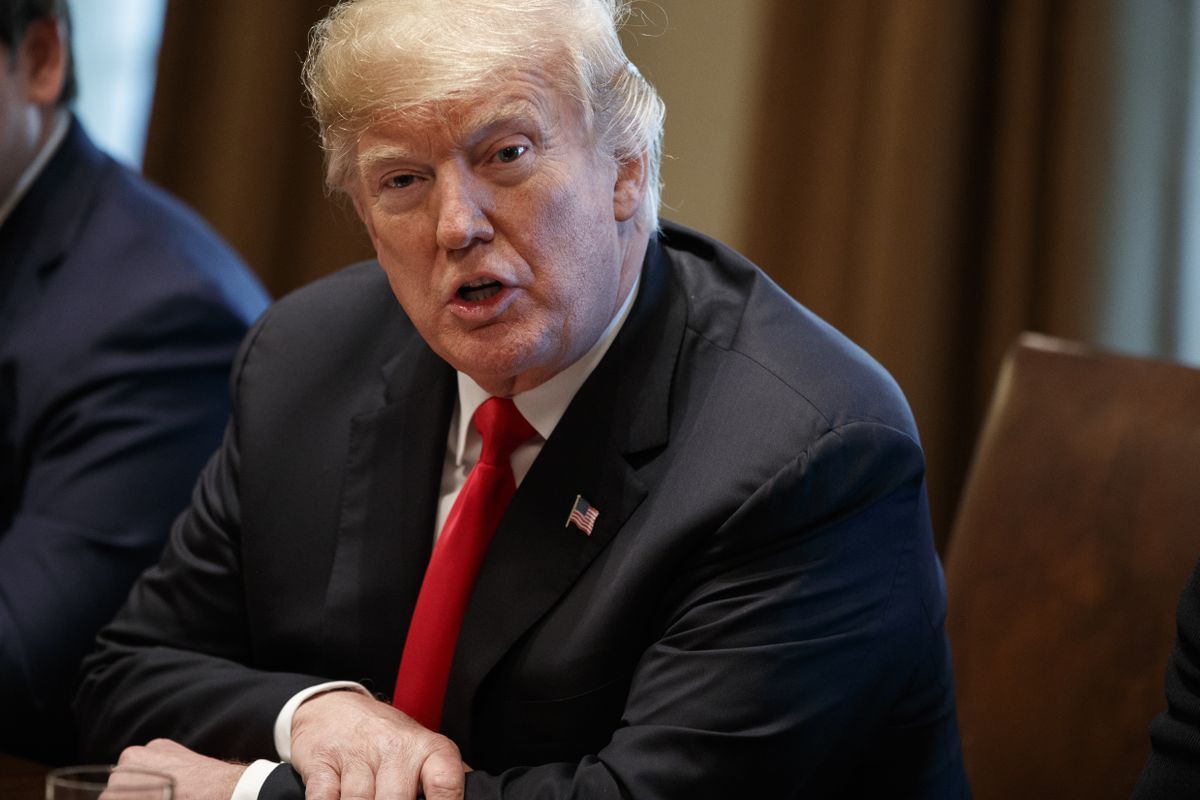
Cohen has said that Trump was aware of the payments. In one instance, he recorded Trump giving him advice about how to buy McDougal’s story from the parent company of the National Enquirer. It isn’t clear from that recording, or other evidence made public, whether Trump and Cohen ever specifically discussed whether the payments were legal. Cohen and prosecutors say the Trump Organization reimbursed Cohen for a $130,000 payment to Daniels.