



Category Archives: marriage advice
7 Things I Wish More People Understood About My Arranged Marriage

As a first generation Iraqi-American born and raised in the U.S., I have been asked if my marriage was arranged more times than I can count. In my early 20s, it was the first thing out of people’s mouths when they found out I was Muslim and newly married. I heard it from coworkers, hairdressers, and acquaintances, and it always gave me pause. I didn’t want to be associated with the stereotypes arranged marriages conjure up—the prodding parents, the exchange of dowries, the unwilling bride, and the pitiable loveless life.
My story was nothing like that. Even though I never dated my husband before we got engaged, we met when we were children. We’d grown up together, and my husband told me he had feelings for me before his family officially proposed. But that backstory was too much to share in casual conversation, and I always walked away from these exchanges feeling as if my very existence had fulfilled the stereotypes of the person in front of me.
I’ve now been happily married for over 20 years, but the myths surrounding arranged marriages persist. I don’t want another generation of people, choosing to uphold their families’ or their cultures’ traditions, to feel as if their relationships are in any way inferior to couples who have had more typical love stories.
Here are seven things I wish more people understood about match-made marriages like mine.
1. An arranged marriage is not the same thing as a forced marriage.
My father actually thought I was too young to get married. Over the course of my engagement, he repeatedly asked me if I wanted to call things off, but he never pushed me to change my mind either. He knew that who I married was ultimately my decision. The most pervasive and damaging misconception about arranged marriage is that the couple, and more commonly, the woman, is coerced. While I would never deny the occurrence of forced marriages in different communities across the world, this practice is very different from arranged marriage. The far more common scenario is for a couple to be introduced through family or friends—or a growing number of Muslim dating apps and online matchmaking services—and then for both parties to agree to a courtship.
2. Listening to your parents’ advice about who to pick as a partner is not necessarily a bad thing.
Television and movies repeatedly offer the message that having your parents involved in the choice of your partner is preposterous and backwards. During the rare circumstances when we do see a character from an immigrant background from a culture where matchmaking is the norm, it is almost always in the context of standing up to their parents to marry the person they love.
Truthfully, the most difficult thing about my mother’s role in choosing in my partner was explaining it to my American friends.
During my engagement, I complained to my mother that my fiancé wasn’t as goal-oriented and driven as I was. My mom told me that I should be grateful. There wasn’t room for two big egos in one household. Over the years, I have come to see the wisdom of her words. One of the things I appreciate most about my spouse is that he is not motivated by a never-ending to-do list. I turn to my husband when I need a dose of perspective and someone to calm me down.
3. There’s an upside to knowing a prospective partners’ intentions are for marriage from the outset.
When I was a teenager, I longed for the element of surprise in romantic relationships, much like what I saw in romantic comedies. But I’ve since come to see the benefit of knowing a partner’s intentions from the outset.
My husband and I may have been young when we got engaged, but we also skipped the surface level, getting-to-know-you stage, where everyone is worried about showing that they care too early in the relationship. Clear intentions are a fast track to intimate and deep conversation, and right away, we were able to talk openly about the issues that really matter in a relationship—compatibility, values, and goals.
Courtesy of the writer
4. Sharing the same background, traditions, and values as your partner means one less thing to navigate as couple.
My husband and I never had to discuss whether or not we’d pick Arabic names for our children, teach our children to say their daily prayers, or spend our religious holidays at the masjid. All these were a given in our household.
Not only were we raised with the same religion and traditions, but we both embraced them and wanted to carry them on. As the first generation in my family to be born in the United States, this means a lot to me. I have already lost so many of my family’s culture and traditions, and I appreciate having a spouse that can help me pass down as much of my heritage to my children as possible.
5. You don’t have to have previous relationships to know what you want in a partner.
I had several close non-Muslim girlfriends in college who were under constant pressure from well-meaning family and friends to date other people before settling down with their first serious boyfriend. They were repeatedly asked how they could know if their boyfriend was the one if they hadn’t dated anyone else. I reassured these friends that seeing other people was not a universal prerequisite for marriage, and that there were so many parts of the world where their relationship would have never been questioned.
I do not doubt that the life experience gained from past relationships can teach us something about ourselves, but that does not mean that there is less opportunity for self-discovery and growth from within a committed relationship. Being with one partner your entire life is not a deterrent to self-knowledge. It’s just a different path.
6. It shouldn’t be taboo to get married for pragmatic reasons.
When I married my husband, there were several things I was certain of—his character, how much I trusted him, how safe I felt with him, how much he respected me. But I didn’t know if I was “in love” because the language for love in American culture was all about butterflies, sparks, and chemistry.
Now I question why we are encouraged to research and get input on every decision—from the cars we buy, the colleges we choose, to where we live—but who we spend our lives with and have children with is, at least at first, based on such ambiguous feelings. While I have no doubt that those feelings can point us in the direction of wonderful people, I don’t think it’s the only way to find them.
7. There is not one kind of love story.
For years, I wondered if I’d been “in love” with my spouse because my relationship was so different from any of the love stories I’d encountered in books and movies. I never stopped to question why these stories were so incredibly narrow. I’d known my husband since childhood, and the kind of attraction that is based on novelty and “the chase” was not going to happen for me. But, I now see what a unique privilege it is to have shared so much of my life with my spouse. And even though it’s not your typical love story, I’m so glad it’s mine.
Related: What 12 Women Wish They’d Known Before Getting Married
Huda Al-Marashi is the author of the memoir First Comes Marriage: My Not-So-Typical American Love Story (November 13, 2018).
Nancy Campbell's Most Toxic Marriage Advice Ever?

You may have noticed in the last year that Above Rubies Nancy Campbell has started to share some pretty horrific marriage tales of her followers. Tales of medical situations ignored, or not treated by doctors. Abusive behaviors that led to eventual surrender to God. A long list of “Don’ts”. Today’s is possibly the most toxic marriage advice ever to land on her blog.
I would advise reading the entire thing in its entirety on Above Rubies. It’s the history of a lady that fell in love with a guy with a criminal history, married him, started having babies before she came to the Lord during one of his prison stints. Lovely story, up until the point where her husband is released from prison.
What does she do when he’s released? Have a “Come to Jesus meeting” with him, and establish ground rules with the consequences being the end of marriage? Leave him? No, she allows him back and through the many years he keeps leaving her. He keeps reoffending. She keeps forgiving, he keeps committing crimes. She does not explain the nature of his criminal behavior, if it’s drugs, or petty theft or violent offenses. He keeps ending up in prison yet again. Even the prison guards urge her to divorce him. She refuses, she keeps allowing him back to treat her like a doormat. No divorce because God hates divorce.

If the print is too fine click on the image to bring it to a readable size. The gist is that he found religion in jail after many years, came out and started being Mr. Perfect Christian before asking her for more babies.
While I’m happy it w0rked out for this lady it’s pretty foolish to think that this is the best course of action. Remember, past behavior usually is the best indicator of future actions. He was that rare person that managed to change for good.
Everyone must make that individual determination of where their personal line is, what they can and cannot accept in a relationship. Expecting someone to stick by a foolish choice they made in their youth is extremely narrow-minded.
We’re all human, and part of being human is having relationships that do not always work out, being mature enough to realize this, and realize you’re worth more than what you are willing to give. People change, people grow and that’s okay, no matter what the Nancy Campbell’s of this world will tell you.
Quiverfull will tell you that you’ll have regrets if you break up your marriage. You might, you might not and either way it’s okay, you’ll grow and move past that. It might just buy you the peace and self-respect you need. I think it’s normal to have some regrets. Right now I’m reading the autobiography of The Who’s Roger Daltrey and early on in the book he expresses regret for not putting more effort into making his brief first marriage work. We all have various regrets.
Quiverfull will also push the lie that your value is determined by how few emotional entanglements you have had. Like your heart is an Entermann’s coffee cake with only so many slices to give out. I prefer to view hearts like bottomless endless barrels of fun sized candy bars being dispensed as needed to those around you. Ever full, ever giving.
But the most disturbing thing about Nancy’s ideas is that by posting this she is implicitely approving of spousal abuse. Make no mistake about it, a man that will not participate in family life, runs away, cheats, and is committed to a life of crime is abusing his wife. No one should have to put up with abuse in their marriage, not even Nancy’s fans.
Stay in touch! Like No Longer Quivering on Facebook:
If this is your first time visiting NLQ please read our Welcome page and our Comment Policy! Commenting here means you agree to abide by our policies.
Copyright notice: If you use any content from NLQ, including any of our research or Quoting Quiverfull quotes, please give us credit and a link back to this site. All original content is owned by No Longer Quivering and Patheos.com
Read our hate mail at Jerks 4 Jesus
Check out today’s NLQ News at NLQ Newspaper
Contact NLQ at SuzanneNLQ@gmail.com
Comments open below
Quiverfull: Inside the Christian Patriarchy Movement by Kathryn Joyce
I Fired God by Jcoelyn Zichtermann
13:24 A Dark Thriller by M Dolon Hickmon
No magic waiting time

Dear Dr. Wallace:
I’m 19, and my guy is 22. We have been dating for five months, and we want to get married soon because we know that we love each other very much. My parents like him, but they don’t want us to get married because they think we haven’t known each other long enough. They want us to wait until spring of 2019. My mom and dad do like my boyfriend, but they feel it would be better if we spent time getting to “really” know each other. How long do you think a couple that is “deep” in love should know each other before saying, “I do?”
— Smitten, via email
Dear Smitten: There’s no magic waiting period, though the average is probably about a year. Successful marriages result from both long and short engagements. Basically, the amount of time a couple should wait depends on their level of maturity; the less mature they are, the more likely they might be making an impulsive, ill-considered decision. Marriage will be a great test of one’s patience and shouldn’t be embarked on for the sake of immediate gratification.
Why be in such a hurry? Waiting a little longer, as your parents suggest, should not be a problem if your man really is the right choice as your life partner. If the two of you are really in love, this love will survive through the “getting to know you” phase of the engagement, in which you have long serious discussions about what each of you wants for the future, how many children (if any) you want, and much, much more.
Dear Dr. Wallace: I dated a guy for over a year, until his family moved to Maine. That’s a long way from California. When he left, he said we would stay in touch by email and the telephone. But he has been gone for 10 months, and so far, all I’ve received from him are three very short, “Hi, how are you?” emails.
I tried calling him on numerous occasions, but he never answers and he never returns my calls. I haven’t dated since he left, but now I don’t want to sit at home waiting to get a message from him. Should I email him and tell him our relationship is over, or just stop contacting him altogether?
— Lonesome, Redwood City, California
Dear Lonesome: Ten months of minimal contact is a pretty clear message. He likely is caught up in his new life and therefore is emotionally out of yours. It’s time for you to start living your life as though you will never see him again. In other words, start dating and have fun. Don’t contact him unless you respond to his call, text or email. The good news is that you’re about to have a great life without him!
Tiv traditional marriage rites
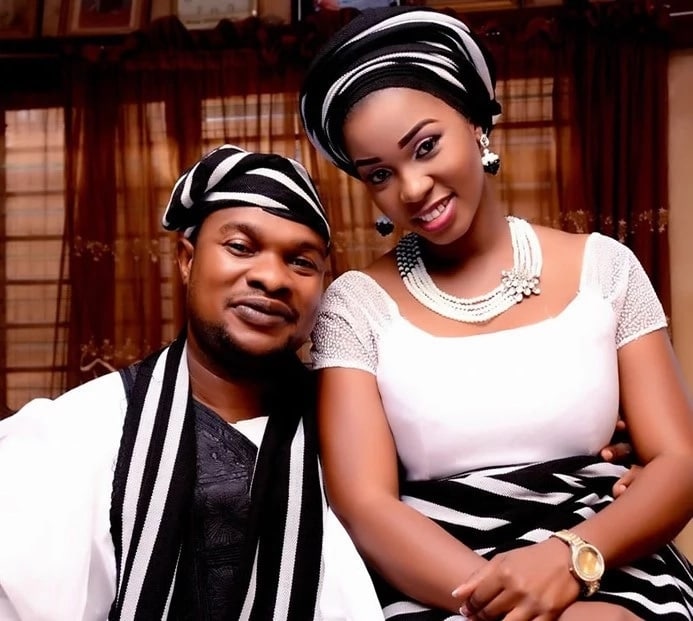
Have you heard about Tiv traditional marriage? In this article, we are going to tell you the details of this beautiful ceremony that came to us from ancient times. Read on to know the steps and other aspects of this great event.
Photo: blog.jiji.ng
Steps of Tiv traditional marriage
Tiv traditional wedding is known as one of the richest among all tribes of the country. Traditionally it was a very multi-component rite including the kidnapping of a future wife, giving numerous gifts and difficult ritual procedures.
Here we will consider the rites of Tiv traditional marriage of present days. We have the list of requirements and steps of all the marriage procedures. See also: Edo culture and traditions
The steps of Tiv marriage:
- The procedure starts from an official introduction. The groom should officially visit the bride’s family with the company of few of his family members. The groom should bring palm oil, salt, a bottle of wine, and bushmeat (optionally). At this official meeting, the families choose the date of the wedding ceremony. They also discuss the list for bride price.
- The next step after all the preparations is a wedding day. At this great day, males and females of the family of the bride are separated into two different rooms. The groom with the company of his family members enter the room with men of bride’s family, and they discuss the amount of dowry payment.

Photo: correctng.com
READ ALSO: Tiv names and meaning for baby boy and girl
- Step three is the presentation of bride price. After the payment of dowry, the list of gifts should be presented to the bride’s father. This is a very important part of Tiv traditional marriage. Here we have the usual example of bride price list:
Gifts for father:
- Pig
- Local Gin
- Additional Alcoholic Drinks (which is expected in the form of money)
- Azenga (cowries)
- Matches
- Danchiki (an attire for the bride’s father)
Gifts for mother:
- Bush meat
- Umbrella
- Palm oil
- Wheelbarrow
- Salt

Photo: fabmimi.com
- Mudu (measuring Bowl)
- Mat (Tabruma)
- Chair
- Broom
- Table
- Necklace
- Soft Drinks
- Basin
- Clothes
Many of these gifts can be easily substituted or replaced with cash.
After this payment the bride should be shown to all senior men of her family, they are considered as her fathers. After that, they go together with the groom to the room with female members of bride’s family. Here the bride shows her groom to her mother and receives marriage advice from her and other women of the family. See also: Latest Yoruba traditional wedding decoration ideas
At the next step youths of the bride’s family demand some money from the groom. But this step is not mandatory.

Photo: bellanaija.com
When the rites are done, it is time for final part that is called “kwase kuhwam”. The family of groom performs ‘Swonge’ and plays traditional music as a greeting of bride’s arrival.
Tiv traditional marriage attire
Usually, the time of preparation for Tiv traditional wedding takes a lot of time, and the preparation of clothes is sometimes one of the most time-taking processes. Tiv people prefer to wear their traditional clothes at the ceremony.
Tiv people wear colorful clothes, the groom and bride attire looks like the most important elements of a wedding. The most unchanging element is black and white stripes at the clothes that are made of A’nger material. Wedding attire is also impossible without a number of accessories, such as headdresses, bracelets or necklace. Black and white beads are the most popular element.
Tiv culture is very rich and developed in many aspects, and of course, the marriage is one of the brightest element of this culture. Tiv traditional marriage is still practiced as a great cultural event. Tiv people love their traditions and continue to save and support them even in a modern world.
READ ALSO: Tiv traditional attire
Source: Legit.ng