


Tag Archives: dating advice
Ask Dr. NerdLove: My Ailing Mother-In-Law Is A Toxic Nightmare
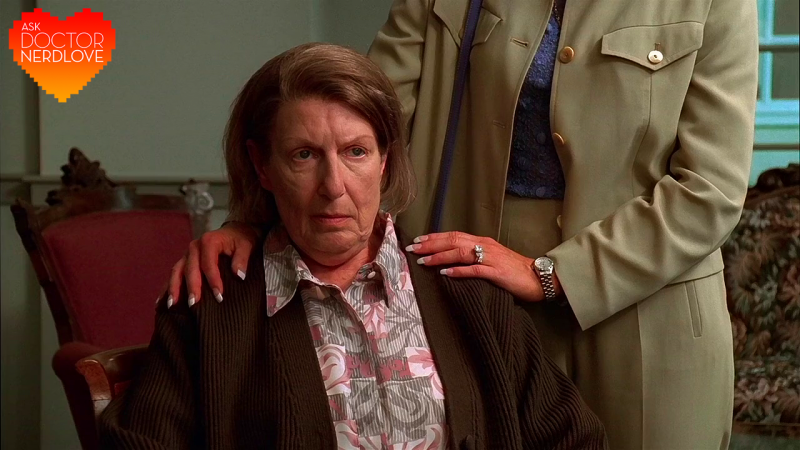
Oh, Livia. You really were the worst.
Hello all you deathwatch love nodules, and welcome to Ask Dr. NerdLove, a dating advice column to surpass Metal Gear.
This week, we’re about emotional (and occasionally physical) self-defense. We know it’s ok to leave toxic relationships, but what about when that toxic person is family? How do you handle someone who sees “boundaries” as something only other people have to abide? And how do you put yourself out on the dating market when the people you want to date are a legitimate danger to your safety?
Tune your codec to frequency 141.80, because it’s time to gird your loins and insert coins. Let’s do this.
Dear Nerdlove PhD,
I’m a bisexual trans woman who has gone through too much garbage in life and would really like to find someone nice to keep me from going insane from loneliness. My issue is that while I’ve dated plenty of other women, I’ve never dated a guy, and while I would like to, I’m kind of ridiculously scared of them?
I’m pretty plugged into the internet these days, and it’s really hard not to hyper-fixate on certain death statistics about trans women, and it might be stereotypical, but I tend to project a lot of those fears onto men rather than women. I’m a lot more talkative and friendly around women, and even when it’s a straight girl I’m talking to, I feel l’m more capable of being flirty and fluid than I am when talking to basically any guy.
This even sort of extends to people I’m friends with; even when I know a dude isn’t an outward, violent transphobe, I get really nervous around them in ways I never have around women and never did before transitioning, which I guess might just be a part of the whole Gender Package, but not one I’m comfortable with. There’s a guy I know that I love talking to, have loads in common with, and think is super, *super*, just very hot, but I’m afraid of what could happen if I interpreted things wrong and there’s a really bad reaction to those intentions.
There’s no real safe way of directly asking “Hey, would you date a trans person” without seeming obviously thirsty and embarrassing myself that I’ve thought of yet, and without that kind of confirmation I’m not sure how to move forward safely. I know these fears aren’t entirely unfounded, and that it’s good to be cautious sometimes, but I also desperately want some dude in my life and my current approach of “Do Not Approach” isn’t really getting me anywhere. And like I said, I’ve never dated men before, so I don’t even know if these reservations would go away after the initial asking out.
– Just Really Wanting a Boyfriend
Alright, JRWB, before I get deep into this, I want to make it clear: I’m coming at this from the perspective of a cis-gendered straight male, so please take my advice with a grain of salt.
With that in mind, let’s start with this: your fears are real and legitimate. One of the things a lot of guys don’t always get is that the dating experience for women is very different than it is for men. Women on the whole face risks — emotional and physical — that men simply don’t. From the differences in potential STI exposure, pregnancy, social stigma and opprobrium and yes, violence, dating for women requires being willing to risk their health and safety.
This is especially true for trans people. Trans and gay “panic” has been a successful defense in many violent crimes against the LGBTQ community, even in 2018. So it’s entirely understandable, even reasonable, that you’re hesitant to flirt with straight guys you’re into.
But the fact is: life is risk and love is a full-contact sport. As with other pursuits — skydiving, snowboarding, driving — you can mitigate the risk as best you can, but you can’t eliminate it. Dating means that you have to make yourself vulnerable to someone, in the most intimate and personal ways. If you want a boyfriend, then you’re going to have to be willing to take your chances.
Now, that doesn’t mean that there aren’t some best practices that can help reduce the risks of the people you approach. The first and best thing you can do to find a boyfriend is to look for the folks on dating apps who’ve opted in to the possibility of dating someone who’s trans. Dating apps like Tinder and OKCupid let users identify themselves as trans, nonbinary or genderfluid, which helps filter out folks who simply aren’t open to dating someone who isn’t cis. The double-opt-in factor of the apps also helps cut down on the risk of connecting with someone who’s transphobic; both of you having to swipe right on one another means that you’re (presumably) connecting with someone who is cool with your gender identity.
This isn’t a fool-proof system; God knows there’re dudes who swipe right on all women, guys who only look at photos and folk who will miss incredibly important information in people’s profiles. And of course, there’re still dickheads out there who will react badly upon finding out that someone they matched with is trans. Assholes are gonna ass, after all. But it should still radically cut down on the potential false positives and bad matches.
Second, look for potential partners among demographics and groups who might be more likely to be open to dating trans people. From a recent study, the people who were older, weren’t particularly religious and who had graduated from college were more open to dating people who are trans. You may also want to see about finding guys who identify as bisexual or pansexual. They tend to be thinner on the ground than straight cis guys, but men who identify as bi or pan are far more receptive to dating trans women. Plus, the fact that they’re willing to flout gender norms means that they also tend to be more open to people who ignore traditional gender roles, and are probably cool with women being the ones taking the initiative.
The next thing is to take things slowly and let folks get to know you as you. While people are quick to form a consensus of who’s attractive and who isn’t based on initial impressions, our idea of who’s hot and who’s not change as we get to know people. Over time, an individual’s uniqueness tends to surpass the initial consensus about that person’s looks. The more we get to know somebody, the more attractive they become to us.
That time you’ve spent with them also has the benefit of letting people get to know you and see you as an individual instead of as their limited idea of what a trans person is. The more people get to know someone personally, especially someone who’s part of a marginalized population, the more we as a culture build empathy and demolish stereotypes about that identity.
And from your side, it helps you get a feel for them as a person. What kind of language do they use when describing trans folks? Are they quick to dismiss people’s gender identity, or are they willing to accept people as they are? Are they the sort of person who may be working out of ignorance, rather than malice?
And, just as importantly: how do they respond to you? Do they give any signals that they think you’re cute? Are they willing to be a little flirty and silly with you? Or do they treat you like a strictly platonic friend? The more you get signs of interest, the easier it is to broach the topic of a date.
One thing to watch out for are the trans fetishists out there. While there can be benefits to that — there’s something to be said for being objectified, especially by someone who finds what makes you unique to be a turn-on — you want to be loved for you, not for what you represent.
I’m not gonna lie, JRWB; your dating pool is going to be limited, and you have risks other folks don’t face. But the good news is that the number of people who are looking for someone like you is growing year after year.
Love is always going to have risks. It’s never going to be easy. But it is worth it.
Good luck. And write back to let us know how you’re doing.
Dear Dr. NerdLove
I have a complicated question that I’m not sure there is a good answer to. I’m also changing unimportant details to protect identities of those involved as it is a very specific situation. I apologize for the length, but I think background is needed to grasp the situation.
My wife “A” and I have been a couple for a long time and have two young children. A is from a very small family; it was only her, her parents, and her brother while she grew up. Her brother is always in trouble and incarcerated so he is out of the picture at this point.
A had an unhappy upbringing. Her father was terribly verbally abusive to everyone in the household and her mother was narcissistic. As A entered her teen years, her mother began treating her more like a friend than a parent. Her mother began cheating on her father and told A about this, expecting her to be happy about this wonderful relationship she was in. While A’s father is not a good man she realized much later that this was entirely inappropriate of her mother.
A’s mother left her father to be with the other man while A was still a teen. A was then stuck living alone with her verbally abusive father. A few years later A and I began dating. She told me what a nutcase her father was, but I didn’t really understand the full picture yet. Her father had always been dependent on others to do things like help him pay the bills or deal with accounts. At this point A was a young adult and would still go over his house a couple of times per month to help him with these sorts of things. One day I accompanied her and witnessed him screaming and swearing at her, in front of me no less, about how much his cable bill was. When she decided to cut off contact from her now deceased father I completely understood.
Things are not as clear-cut with A’s mom. During this time they had grown apart. A would make plans with her mom only to have her break them, or she would only be interested in hanging out for very short spurts. A also began resenting her mother for abandoning her with her abusive father. Her mom had zero guilt about this and thought A was being selfish and should have been happy about her new-found love.
It eventually got to the point where A’s mom would only contact her when she needed something, often to borrow money. When our first child was born, A’s mom showed very little interest. Her visits were still infrequent and even though she lived nearby she did not offer the type of help with a new baby most mothers do. Her frequent requests to borrow money and lack of any interest in spending time with us finally reached a breaking point when my own loving father died. A’s mom did not come to the funeral, which was a huge insult. At this point A more or less stopped talking to her mother.
Six months after this occurred, A received a late-night phone call from a hospital. Her mother had suffered a traumatic stroke. Suddenly her mother was back in our lives out of obligation. For several months helping her mother get accounts in order, disability set up, and a place to live took center stage in our lives. Her mother was and is mentally there but now has physical limitations and cannot care for herself.
The biggest problem is that A’s mother is still the same narcissistic, inconsiderate person. After she was set up with a caretaker and place to live, she went back to her old ways, only calling A when she needed something and never out of any genuine interest in A or her grandchildren’s lives. I will also mention that A suffers from serious depression issues which she is in treatment for. Without question her mother makes this worse every time she calls.
About six months ago A was pushed past her limit again. Her mother called her on a Friday night and asked her to do a favor for her the next day. This favor would involve A driving about 100 miles roundtrip and spending her whole Saturday doing it. Not only was this short notice for a fairly big favor, we had plans and her mother expected us to cancel them.
A stopped talking to her mother again after that, and went so far as to block her phone number. While I totally understand this, I feel very conflicted about it. First of all, there is the issue of our children. The older one is five and certainly knows of this grandma, even though they haven’t been close. She hasn’t really asked, but I don’t know how to explain this complicated situation to either of our children when they are young. I have thought about suggesting to my wife that I can bring them for occasional visits to their grandmother’s house without A, so that they have a chance to know her on their own terms. She can’t manipulate me as easily as she can my wife. The thing is it is such a sensitive topic I’m afraid to even speak of my mother-in-law to A. Just a mention of her triggers A’s anxiety.
Secondly, I’m afraid of sending the wrong message to our children, that it’s okay to abandon a disabled family member. The thing is, if A’s mother hadn’t had her stroke they probably wouldn’t have gotten back into contact. If my own mother, who is a warm loving person, had a disability, we would have no problem going out of our way to care for her.
More superficially, I am worried about how this looks to others, that we really have no contact with A’s disabled mother.
Any advice on what to do here? How do we handle this with our children? Are we completely in the wrong for having no contact with A’s mother? This really eats away at me.
Thank you,
Caretaker’s Guilt
CG, your feelings do you credit. It’s admirable that you’re concerned about your mother-in-law’s health, your kids’ relationships with their grandmother and your wife’s feelings.
But with that having been said, A is right to cut ties with that asshole and it’s cruel to suggest that she keep in in contact. A has already gone above and beyond when it comes to taking care of her mother, especially in light of what her mom has put her through. The fact that she’s willing to put in any effort at all is borderline qualifying for sainthood.
While I understand worrying about explaining things to your kids and the optics of cutting ties with a disabled senior citizen, you have to ask yourself which is worse: an awkward moment of explaining things to your kids, or the damage this does to your wife?
Because let’s be real: after a lifetime of neglect and abuse, your mother-in-law is demanding that your wife sacrifice her own happiness and emotional health to indulge in her selfish whims. Providing for someone’s care is one thing, but why in pluperfect fuckery should your wife be setting herself on fire just to keep her abusive mother warm?
And for that matter, while you may be immune to your mother-in-law’s blandishments and toxic behavior, what makes you think your children are? Considering how she treats her own daughter, do you think she’s going to be any less shitty to her grandchildren? Which do you think is going to be more awkward: explaining why they’ve never seen GramGram or trying to undo the horrible shit that she’s likely to inflict on them? Are you ready to talk about why GramGram was wrong when she said that their mom was a selfish bitch?
Trying to explain to your five-year-old that Grandma is an awful person can be a bit awkward, but demonstrating to them the importance of strong boundaries is going to be far more valuable than telling them it’s more important to cater to a toxic family member than it is to take care of themselves.
Fuck the optics, dude. This woman has been nothing but a millstone around your wife’s neck and there is no reason on God’s green earth to let that continue. A has made arrangements for her care and health; she’s done her duty as a daughter to someone who hasn’t done hers as a mother.
For now, all you need to tell your kids is that grandma is very sick. As they get older, you can explain things with more nuance and detail — and more importantly, teach them why they don’t need to sacrifice themselves for someone who doesn’t give a damn about them.
Good luck.
Did you have a toxic relationship with a family member? Do you have experience dating as a trans, genderfluid or nonbinary person? Share your story in the comments below and we’ll be back with more of your questions in two weeks.
Ask Dr. Nerdlove is Kotaku’s bi-weekly dating column, hosted by the one and only Harris O’Malley, AKA Dr. NerdLove. Got a question you’d like answered? Write doc@doctornerdlove.com and put “Kotaku” in the subject line.
Harris O’Malley is a writer and dating coach who provides geek dating advice at his blog Paging Dr. NerdLove and the Dr. NerdLove podcast. His new dating guide New Game+: The Geek’s Guide to Love, Sex and Dating is out now from Amazon, iTunes and everywhere fine books are sold He is also a regular guest at One Of Us.
He can be found dispensing snark and advice on Facebook and on Twitter at @DrNerdLove.
“Atypical” Star Nik Dodani Talks Season 2 and Teases Upcoming “Murphy Brown” Revival
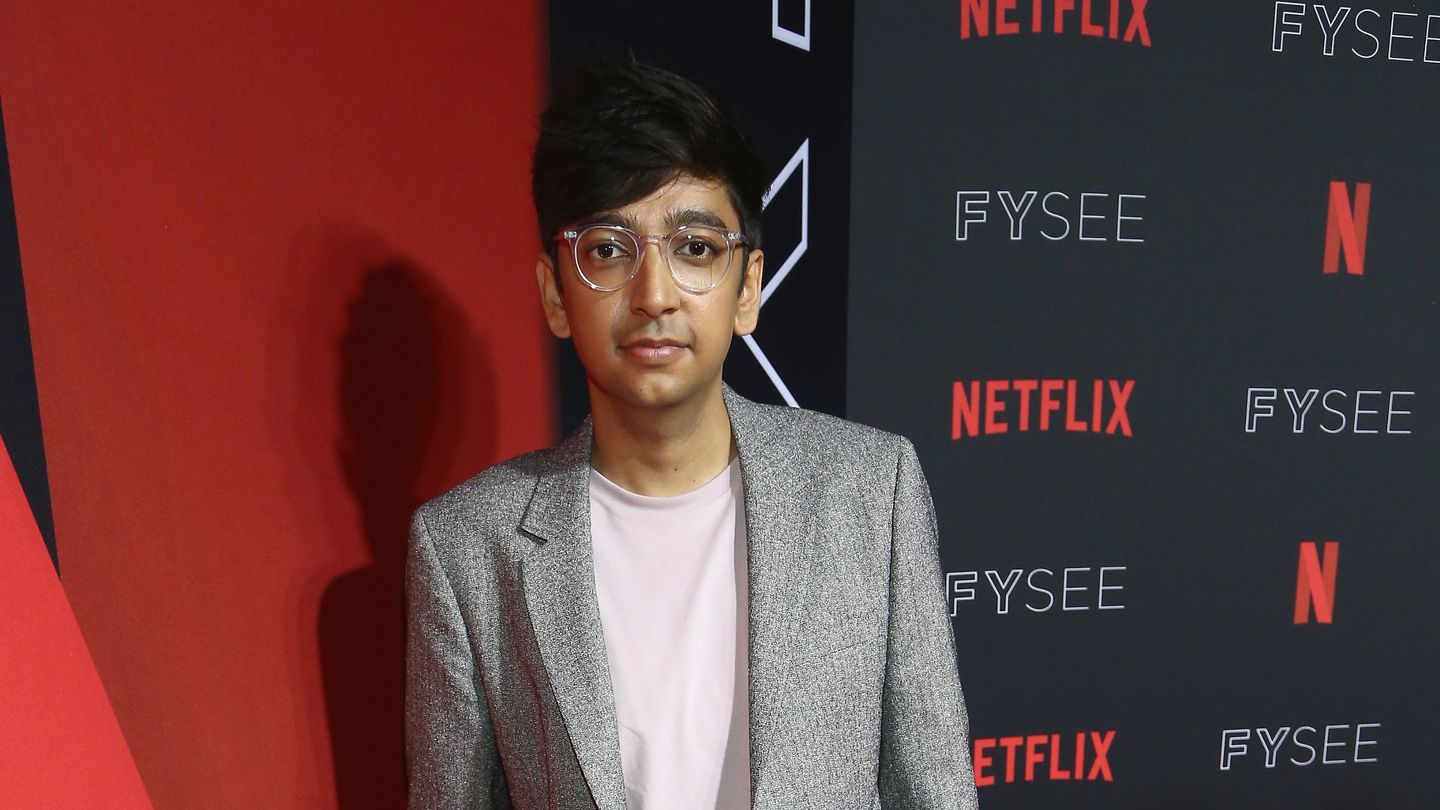
Fans of the Netflix dramedy series Atypical, which debuts its second season on September 7, know they probably shouldn’t rely on actor and comedian Nik Dodani for sex or dating advice. The openly gay Indian-American plays a dorky would-be Casanova, Zahid, who dispenses frequently dubious guidance to autistic teenager and BFF Sam Gardner (Keir Gilchrist).
Dodani also played a straight bro buddy to the closeted gay title character in Alex Strangelove, and this fall he’ll portray another type of advisor in CBS’s eagerly awaited revival of Murphy Brown as Pat Patel, a social media-savvy millennial.
NewNowNext caught up with Dodani—he’s newly single, guys!—for the scoop on Atypical, Murphy Brown, and the worst dating advice he’s ever received.
So what’s in store for Zahid on this season of Atypical?
Season one was all about Sam trying to start dating and having sex, and Zahid was his love coach through all of that. This season, it’s all about Sam trying to find independence in other parts of his life, like applying for college, figuring what he wants to do, and navigating his crazy family. Zahid is on that journey with him and coaching him throughout.
Will he steer Sam in great or terrible directions?
A little of both, in true Zahid fashion.
How do you compare to Zahid as love guru?
Oh my gosh, I’m terrible at giving dating advice and people shouldn’t ask me anything. I always try to match my friends up and it never works out.
Have you actually destroyed a friendship in the process?
[Laughs] Fortunately, no friendships have been harmed in the making of my life but definitely some awkwardness has occurred and personality clashes. I’ve stopped trying, honestly.
You also played a straight bro wingman in Alex Strangelove. Is that your niche?
Yeah, apparently people like when I do that. That was also really fun and the most fun set I’ve been on. It was like a summer camp.
What’s the worst dating advice you’ve ever received from a friend?
It wasn’t one specific piece of advice, but the general attitude of “act like you’re not interested in them and that will make them more interested in you.” I fucking hate that because the game of it all is not very fun. I’m more of a direct, forward person and if that ends in heartbreak, so be it.
You played a guy who goes out on a date with a gay Trump supporter in a hysterical sketch video last year. Has that ever happened to you in real life?
Not me, personally, but I have spoken to a lot of gays who have dated since the election and “gays for Trump” is very much a real thing. It’s a strange reality. I have no patience for it.
What can you tell us about Pat, your role on Murphy Brown and how he, as he says in the promo video, brings “the olds” into the 21st century?
Pat Patel is the director of social media and technology, and my job is to put the “brown” in Murphy Brown. Kind of be the voice of younger folk and talk about Twitter and social media and how it impacts the news world and media landscape today.
So kinda like a heightened douche version of someone from Buzzfeed? And how will Trump and the downside of social media figure into the show?
I think that would be a pretty accurate description, yes! I don’t want to give anything away, but we definitely talk about how Trump has impacted the news media and what that means for the truth and journalism. I personally love to shit on social media and Twitter, especially. Delete Twitter is my message to America. It’s toxic and scary and pointless and there’s Russians and trolls.
What is your dream role? Put it out there in the universe!
I don’t know if this is the end-all dream role, but I would love to do a movie like Weekend and play the gay romantic lead in a sexy, fun, romance movie. I love playing Zahid so much, but I definitely would love to do other things, too. Especially a queer character. I have wanted to play a gay character for a while and I’m excited for that to happen.
Conversely, what kind of role would you decline to play?
I’ve only turned down one offer, and that was to be in a Grindr ad! It isn’t quite on brand for lack of a better word. It was good money, too, but really not my speed.
Dating Advice From A Single Guy: The Friend Zone

It’s something we’ve all dealt with one way or another, whether we put someone in there or been put in there ourselves, the “Friend Zone” has affected all of us. Here’s the thing though, I don’t think it’s a bad thing that this exists. First off, you have no idea what is going through the persons mind when they put you in there, they could be going through a rough break up, a rough home life, or just arent mentally prepared for a relationship right now, you need to be okay with being put in there, and here’s why. Every single relationship starts off in the friend zone, ask people who have been married for years they will say that their significant other is their best friend. Think about it, what is a marriage/relationship it is an incredibly close friendship at its most basic form.
Another reason the friend zone is not bad is, that you will be in the friend zone with 6.99999999999999999999999 billion people. Because in the end, you will most likely end up with one person, hence: Friend Zone’d by the majority of the worlds population.
Finally, it shows what kind of person you are. i Recommend every person puts a potential significant other in the friend zone, just to see what kind of person they are. If they react angrily or cut you off, you see that person’s true intentions, but if they are fine with it, and prove they can be someone you can turn to, take them out. because that’s always a possibility.
You have to be okay with being in there, it’s not easy to deal with, but it’s something that everyone will go through. Plus, if you get out of the friend zone, everyone will be impressed.
Three Black Millennial Women Share Why They Quit Their Successful Jobs to Launch Startups

1 of 3
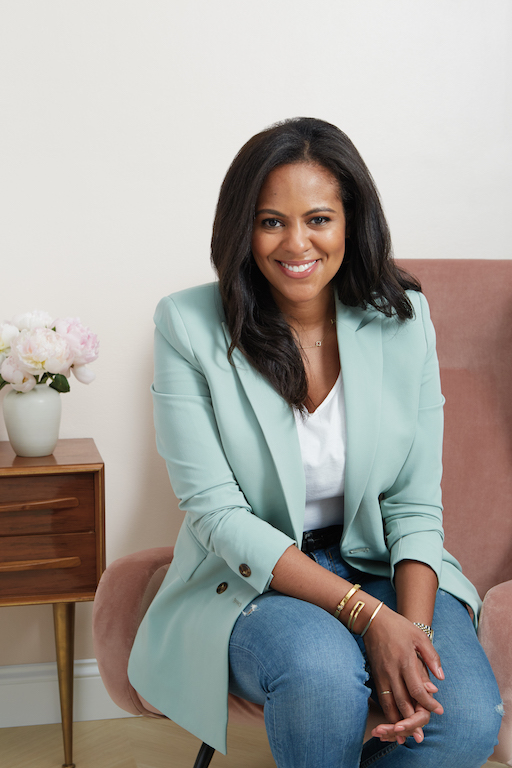
Nicole Gibbons, Founder & CEO, Clare, New York
Why did you want to found a startup? At my old day job, I was Global Director of Communications & Events. While I was very successful in my PR career, there was no passion about what I was doing. I loved interior design and was dabbling on the side while working in PR, and eventually I took the leap to build my design business full-time. I became founder & creative director of Nicole Gibbons Studio, my design firm. Most recently, I pivoted to launch a direct-to-consumer paint startup called Clare that makes buying paint for your home easier and more inspiring. I’m now on my third career evolution. Where did your business idea come from? My love for design was solidified at a very young age having grown up with a mom in the design industry. When I was working in PR, I started exploring my love for design on the side, first launching a design blog, then setting up an LLC and taking on any small design project I could. I tried my best to build my design brand while working full-time. I had no doubt that I could do this, but I wanted to feel really prepared and confident first. That meant saving up enough money to have a nice cushion if the business didn’t take off right away and also learning the design industry inside and out before quitting my current job. It was 5 years before I left corporate America to focus my design business full-time. My goal was not just to build a design-firm but also create a brand…and it took another 5 years before I launched my startup, Clare. How did you personally feel empowered, worthy and skilled enough to start your own business? Confidence is key. I learned the business inside and out, and was also confident that I had the right background, skills and grit to launch my startup. One of the most important traits of a good leader is being confident in what you know, and equally confident in what you don’t know. You also have to be a quick, voracious learner that can adapt, be really comfortable with ambiguity and figure things out quickly. Those are definitely traits I have and for any key areas of expertise that I lack, I’ve hired people who can fill in the gaps and who know far more about their areas of expertise than I do. Being able to build a strong team is important. What adversity and challenges have you faced thus far? In starting this new business, the biggest challenge has been operating lean and with limited resources. I launched Clare with small team and everyone is wearing many hats and working really hard. Hiring and building a team the right way takes time, and with what feels like a giant roadmap and so much to get done, It’s a constant challenge to balance the workload among such a small team. Every day, I struggle with prioritizing. I am pulled in a million different directions and daily there’s always something important that’s left undone. It’s taken some time to get comfortable with the idea that there just aren’t enough hours in the day and some things will be left undone. Hopefully that will change in time as my team grows and there is more support. I’m so passionate about the company and it keeps me going. Clare just launched and it’s only the beginning. The business has so much potential. I’m incredibly excited for what’s to come. What do you need in order for your business to be successful? This business is nothing without a strong team of smart, talented people. I’m very invested in building and growing my team and building a strong, collaborative company culture. I feel successful when I’ve achieved a goal and feel proud of what I’ve accomplished. Success is when I’m just happy with who I am and what I’m doing with my life.

2 of 3
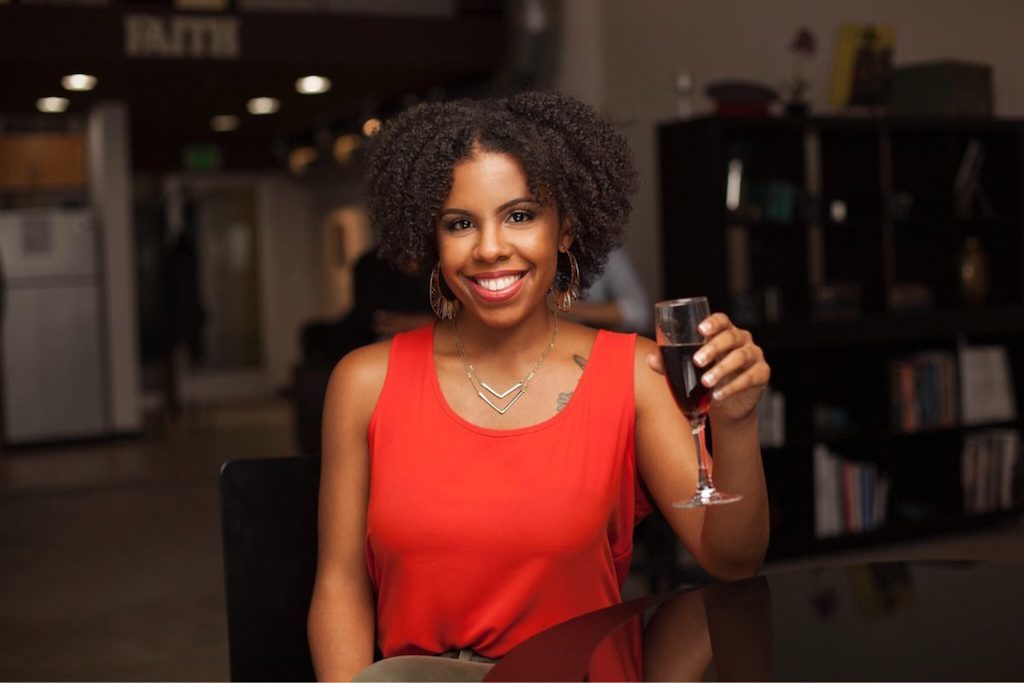
April Johnson, Founder & CEO, Happied, Washington, D.C.
Being a D.C. lawyer is an ultimate dream for many, why the career change? My motto is that you only have one life, so you should live it doing something that makes you happy. I wasn’t miserable at my job as a corporate real estate attorney for a big-law firm, but knew it wasn’t my passion. I primarily represented banks and other financial institutions in commercial real estate finance transactions. At the time of my recent departure, I was considered a senior associate with an impressive annual salary and bonus. I started Happied while still practicing law and after a few months, I felt confident enough to transition my law career to just part-time work. As Happied prepared to enter monetization, I knew that it required full-time attention and took the full leap. I always asked my friends, “where should we go for happy hour?” The answer to that question depended on what type of happy hour spot we were looking for that day – did we want craft cocktails, quality cuisine, or just a quick beer? I then realized that there wasn’t anything out there that allows people to search for happy hour locations based on metrics that actually matter to them, so I thought, I’m going to create it! By the time I decided to focus full-time on Happied, the monetization streams were clear with a fair amount of traction and users. How did you feel empowered to start Happied? Happied isn’t my first business and it won’t be my last. Shortly after college, my roommate and I started a profitable tutoring company in Los Angeles. At the age of 21, we had a team of tutors working for us all over LA county. This business taught me that if you have a great idea and the ability to execute it, you just have to go for it! Every great company started with an idea. My former business partner Stella Ashaolu, is also now running her own successful startup, WeSolv, out of Chicago. What keeps you going? I have the ability to learn anything that I put my mind to. Quite frankly, I always figure stuff out! No one has all the answers, but I take pride in surrounding myself with people that have complimentary skills and strengths to balance me out. If there’s something that I do not know, someone in my team does. I am also flexible and ready to learn and grow. My mom gives me confidence and inspires me. She came from a relatively poor family in South Carolina in the 1950s, went on to become an attorney (a solo practitioner), and previously started two small businesses in Los Angeles – a beauty salon and a boutique. She taught me that it doesn’t matter who you are and where you come from, but what matters is passion, your ability to learn, and commitment to consistently delivering excellence. What challenges have you already faced as an early startup founder? Happied is for any and everyone looking for happy hour. In pitching Happied to business owners, I’ve repeatedly encountered the question, “What is your demographic?,” with the implication being, “Are you trying to fill our seats with a whole bunch of black folks?” I constantly defend the company as one that attracts a wide audience, showing photos of our diverse subscribers and user profiles. I can’t imagine that a white woman with a happy hour app would repeatedly face the same demographic question, and I find it sad that even if our audience was all black, we’d have to defend it.

3 of 3
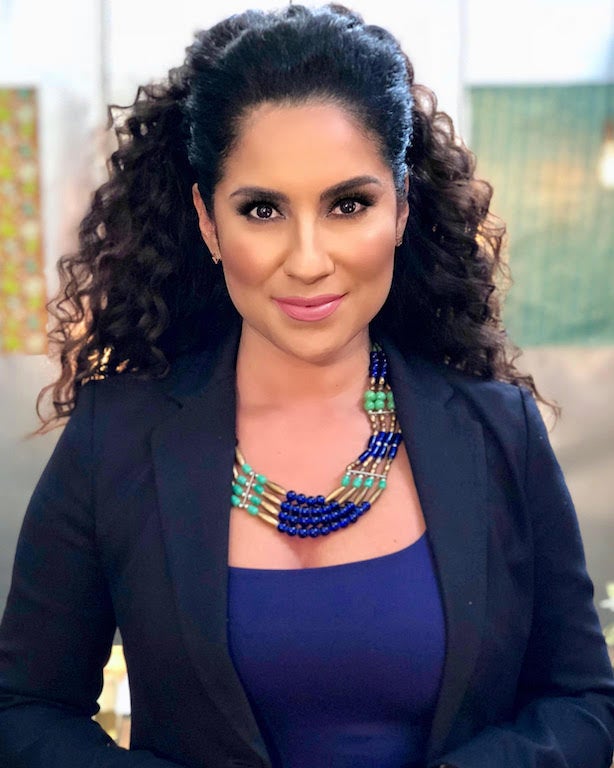
Spicy Mari, Founder & CEO, Relationship Expert, The Spicy Life, Los Angeles
Why did you create a startup? I was living a split life between Maricela Ferguson-Soto and Spicy Mari. Maricela Ferguson-Soto was the Sales Development Executive for a large television network and Spicy Mari was the On-Air Radio Personality who everyone turned to for relationship and dating advice. My education permitted me the security of being comfortable working a 9-5 PM job, while I was moonlighting and counseling overnights as a relationship expert. After sparking several love connections matchmaking, I decided that I wanted to enrich my ability to add value to singles and couples in a digital dating era. I obtained a Masters in Communication Management from the University of Southern California. From research, I discovered the formula to building a successful relationship and a method for evaluation. With the goal of transcending traditional boundaries, The Spicy Life Inc., was formed to provide self-improvement through effective communication and relationship building. My vision is to spread the S-P-I-C-Y gospel of, “Self, Passion, Intimacy, Communication & learning to say YES!” These are the key ingredients to forming and maintaining relationships. I want to change the way people think about relationships. I want the world to live the spicy life. Spicy Tips were also great for radio content. Kindling romantic flames for others ignited a fire in me that led me to receive my certification as a dating coach. The popularity of my relationship advice landed me on a leading radio station in Los Angeles. Did you believe that you had all of the necessary expertise to be a startup founder? I had this great idea and research to support it, but what I was not confident about how to start and operate the business. What I did was leverage my network. I had a fiancé that was a business consultant, a friend who was a brand manager, classmates who believed in me, and another friend who was an attorney. A CEO is not great on their own, they are only as strong as the people they surround themselves with. Where do you get your confidence from? My mother is my hero and my inspiration. For the majority of my life I grew up in a single parent household, where my mother made sacrifices for the people she loved. Her marriage and children were her priority. A part of me admired her dedication to her family, another piece of me grew up resenting her for sacrificing her own ambitions. However, I now know that the sacrifices that you make in the short term lead long-term prosperity. This valuable lesson is something that I took to heart when launching my startup. My husband was also an inspiration and motivating force within my life. He is a testimony to why you need to choose your life partner carefully. I sought my purpose mate. A purpose mate is a partner that recognizes your gifts and propels your path to fulfilling your destiny. He believed in me and in The Spicy Life. What daily challenges do you face? Running a business is not easy, but it is the most gratifying thing you will do in your life. All I want to do is coach people and share my knowledge and gifts, but I realize there’s an entire imperative business operations side from acquiring funding, to sales, marketing and beyond. The day-to-day business operations are something that I continue to work on. My career priority is penetrating the hearts and minds of my clients, but, without a good team, I can’t deliver services to clients. I am confident that I am walking in my purpose and realize that God is using me to help others believe in themselves and believe in love again. What does success look like to you? Success for me is transforming a client’s perspective. Seeing a client attain a healthy and passionate lifestyle, attract a partner that is equally yoked with them, or get that promotion at work because of better interpersonal skills is the greatest success story in the world. Knowing that I was a part of someone’s journey to greatness is more than I can ask for.